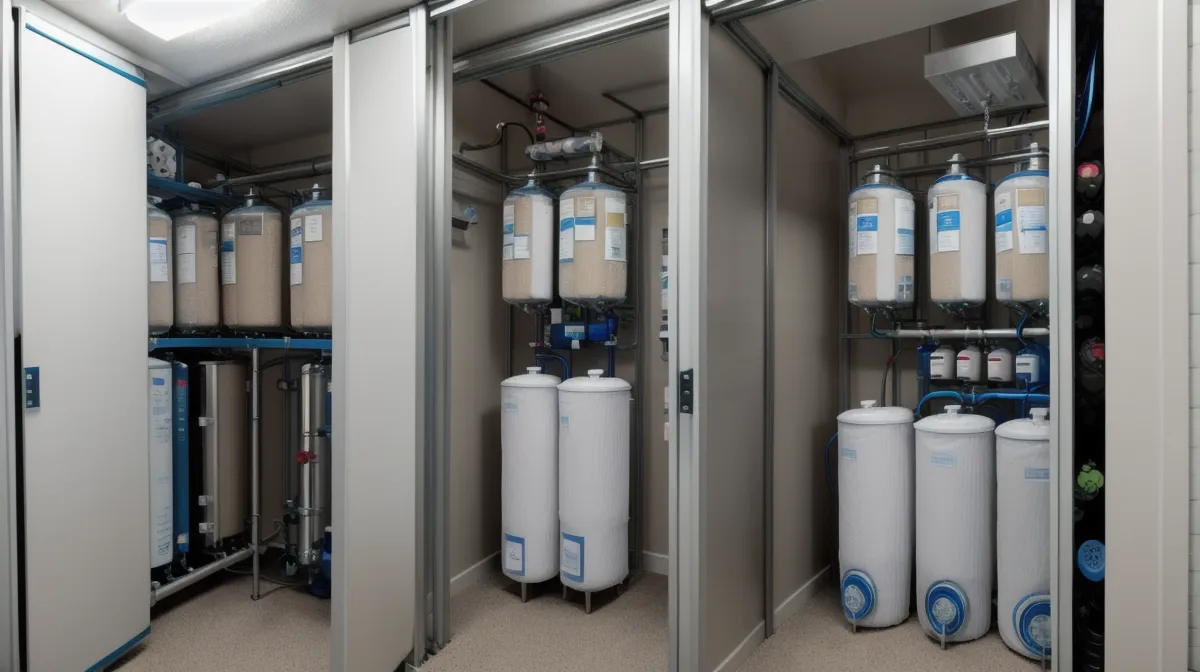
One sweltering afternoon, I walked into my garage, twisted the cap off a stored water jug, and took a sip. It tasted like warm, degraded plastic. That single mouthful made it painfully obvious: in the humid Texas heat, garage storage is a disaster. The cool, carpeted floor of our master closet was the only viable space left.
Before we get into the gear, a quick disclosure: this site uses affiliate links. If you make a purchase through them, I earn a commission at no extra cost to you. I only recommend containers and gear I have personally tested and dragged through my own home. For complete details, see my full transparency policy.
The Closet Audit: Floor Joists, Spousal Approval, and Plastic Codes
When you work in IT support, your first instinct during an outage is to map out your physical constraints. You do not just cram a server into a rack without checking ventilation and weight ratings. Treating our master bedroom closet like a backup server closet felt completely natural to me, even if my wife watched me measure the baseboards with visible concern.
Her ground rules were non-negotiable: no neon blue industrial drums in the bedroom, zero foul odors, and absolutely no moisture ruining the carpet or shoe racks. That immediately narrowed our search to certified potable containers. Any footer-a116d1 holding drinking water must be molded from virgin, BPA-free resin—marked clearly with the HDPE #2 recycling symbol. Cheaper utility jugs leach plasticizers into standing water over time, which explains that nasty chemical tang I tasted in the garage.
Then came the physics calculation. Potable liquid water weighs approximately 8.34 lbs per gallon. If you follow the standard FEMA guideline recommending a bare minimum of 1 gallon per day per person for basic hydration and hygiene, a two-week reserve for a small family quickly approaches forty to sixty gallons. That means you are looking at placing roughly 300 to 500 pounds of dead static weight directly onto your flooring. If you are also curious about bedroom placement, I shared some layout tips in my guide on how to store emergency water in a guest bedroom without making a mess.

The Hidden Tradeoff: Rigid Stackables vs. Flexible Bladders
One rainy weekend in early spring, I dragged several different footer-a116d1 styles upstairs to test how they fit under hanging clothes. This is where most standard preparedness advice falls apart. Prepper forums love rigid five-gallon stackable bricks, but living with them in an active wardrobe reveals immediate friction.
Here is the fundamental tradeoff I discovered: stackable rigid containers occupy significantly less floor area than flexible bladder systems, but they impose far greater structural weight stress on closet shelving and concentrated floor points. When you stack three rigid cubes, you concentrate roughly 125 pounds on a footprint smaller than a shoebox. Resting that directly against drywall or on an elevated builder-grade shelf is asking for warped studs or sudden bracket collapse. If you do go the rigid route, keeping them flat on the floor slab is mandatory.
Flexible bladder systems spread weight out broadly across the floor, which protects the structure, but they sprawl across valuable square footage like a sleeping golden retriever. Furthermore, after about four weeks of closet testing, I noticed rigid jugs tended to bow out standard bifold closet doors whenever the hanging coats shifted against them. If you want to see how these stack up across a home, check out my notes comparing stackable food grade water containers for suburban homes.
The Top Food-Grade Closet Water Containers Tested
After cycling gear through real-world closet conditions from spring through late summer, four distinct systems stood out for keeping water fresh, invisible, and safe inside living quarters.
1. SmartWaterBox (Top Pick for Master Closets)
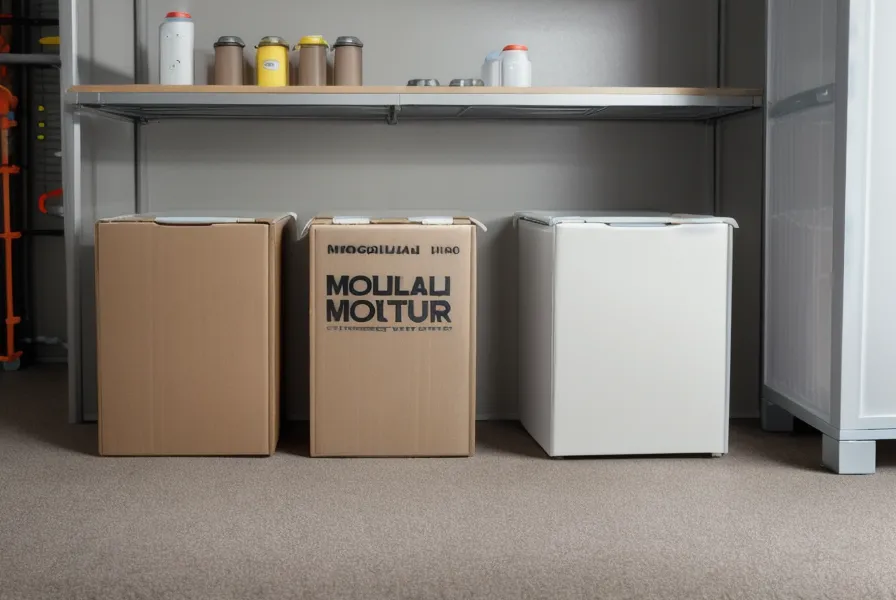
The SmartWaterBox quickly became my hero pick for indoor storage. Instead of exposing water to stray ambient bedroom light or risking a hairline crack on rigid plastic corners, it uses heavy-duty, food-grade inner bladders housed inside rigid, stackable outer boxes. It functions just like boxed wine, but built for survival.
Because the outer shell is a tidy, uniform box, it tucks completely under hanging dress shirts without looking like a staging ground for a zombie flick. The dispense valve stays recessed and protected behind a cardboard flap until you pull it through, virtually eliminating accidental bumped leaks. You can check the current pricing on the vendor's page, as kit setups occasionally change. For an extended breakdown of my long-term garage and closet trials with it, read my SmartWaterBox testing experience.
2. Water Freedom System (Best Alternative Source)
If you have zero closet floor space to spare, hoarding dozens of heavy boxes simply might not work. That is where an extraction approach like the Water Freedom System enters the conversation. Rather than focusing solely on static plastic vessels, this program outlines practical methods for pulling moisture directly from the air to replenish smaller containers continuously.
It comes backed by a 60-day 100% money-back guarantee with instant digital access, which makes exploring the blueprints painless. Just keep in mind that it is an instructional guide bundle rather than a ready-to-fill plastic container, and if you opt for the physical printed edition, it adds $9.95 shipping. It serves as an excellent supplemental redundancy strategy when closet square footage is at an absolute premium.
3. David's Shield (Heavy-Duty Modular Protection)
For those who insist on rigid heavy-gauge plastic, David's Shield offers purpose-molded, food-grade storage blocks that interlock with tight tolerances. The plastic walls are noticeably thicker than standard camping jugs, meaning zero outward bulging when completely full.
The integrated carry handles make lugging twenty-plus pounds of water through a narrow hallway manageable. The main tradeoff here is valve clearance: when stacked two units high in a shallow closet, operating the lower spigot requires sliding the heavy stack forward into your walking path. Pricing details and modular package options are available directly on their site.
4. Dark Reset (Budget-Friendly Low Profile Reserve)
If you need an economical emergency option that slides under low hanging rods, Dark Reset provides a streamlined, compact food-grade vessel setup. It focuses on opaque, UV-blocking materials designed to halt algae growth even if closet doors stay open.
While the plastic molding around the cap threads is slightly less refined than our top pick, it passed my four-week slow-drip test sitting on paper towels without releasing a single drop. It offers dependable potable storage without complicated fittings. As always, check the vendor page directly to see current package pricing.
Closet Rotation and Leak Mitigation: Lessons from the Field
By mid-summer during peak heat, our closet held a sixty-gallon potable reserve sitting right beneath my work slacks. Opening the closet smelled like clean cedar and laundry detergent—not stagnant plastic or damp carpet.
A quick health note: I have zero medical training, so consult your own physician or local health department regarding sanitation guidelines for emergency drinking supplies. When filling any container, always sanitize your intake hose and verify that your municipality's tap water does not have an active boil-water notice at the time of fill.
To keep the bedroom pristine, I keep a shallow plastic utility tray beneath my closet containers. It takes up virtually zero vertical space and acts as a cheap insurance policy against catastrophic gasket failures. If you take the time to balance the floor load, shield the water from light, and choose certified HDPE #2 resin, your master closet can quietly become the most reliable lifeline in your entire home.
| Product | Rating | |
|---|---|---|
| SmartWaterBox Top Pick | 9.3 | Read More → |
| Water Freedom System | 8.8 | Read More → |
| David's Shield | 8.4 | Read More → |
| Dark Reset | 7.9 | Read More → |
SmartWaterBox
Pros
- ✔ Boxed bladder design shields water completely from degrading ambient light
- ✔ Uniform rectangular footprint fits cleanly under low-hanging closet garments
- ✔ Recessed spigot design eliminates accidental knocks and slow wardrobe leaks
- ✔ Discreet cardboard exterior looks like tidy household storage rather than tactical gear
Cons
- ○ Outer cardboard shells must be kept away from standing floor moisture
- ○ Requires careful initial filling to avoid over-stretching bladder seams