One humid Saturday afternoon in early May, my spouse opened the guest bedroom closet, sighed, and asked if our visiting relatives were expected to hang their luggage over fifty pounds of sloshing plastic jugs. She had a point. In my rush to protect our household, our spare room had quietly turned into an unsightly, high-risk bunker.
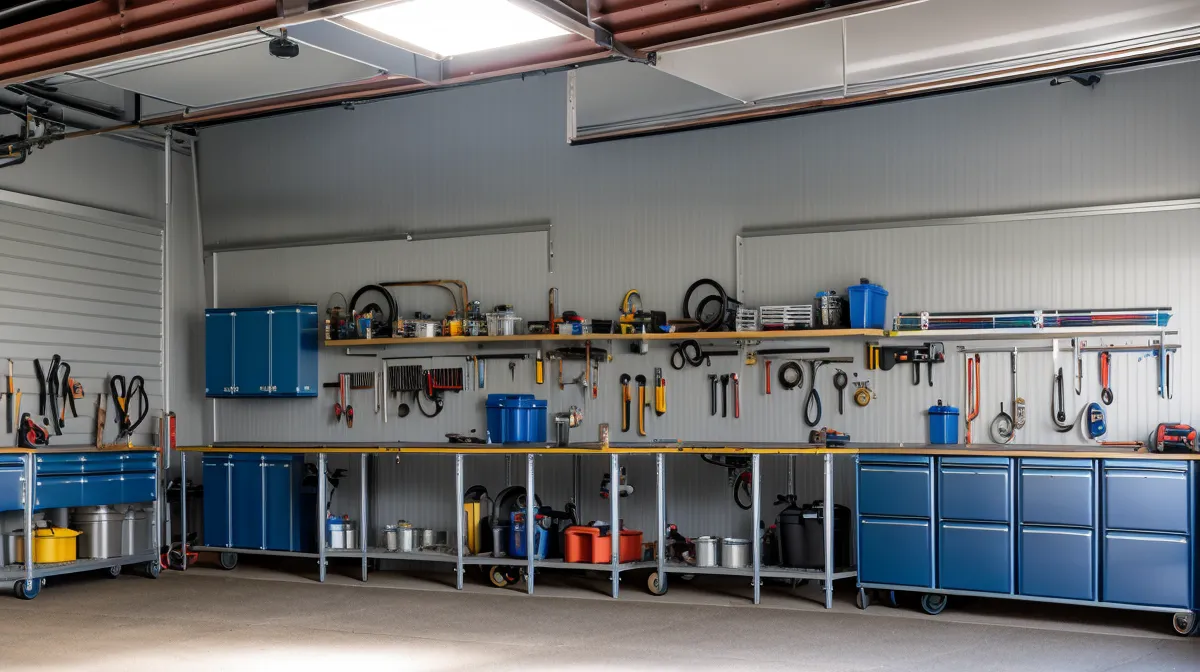
Ever since Hurricane Beryl knocked out municipal tap pressure across our Houston suburb for four grueling days in 2024, I have taken clean water very seriously. My initial instinct was to hoard blue tanks and stackable bricks out in the garage. But if you have ever stepped into a Texas garage between June and September, you know it feels like the inside of a running air fryer. That intense ambient heat degrades consumer plastics, alters taste, and can foster bacterial biofilm in stationary reservoirs.
The math also catches up to you quickly. The standard guideline from the Federal Emergency Management Agency (FEMA) recommends a baseline of at least 1 gallon of water per person per day for a minimum of two weeks. For two adults, that baseline two-week emergency water target is 28 gallons. If you factor in pets or basic sponge baths, you are easily looking at thirty to forty gallons.
The only place in our floor plan offering constant 72-degree climate control without getting trampled by daily foot traffic was the guest bedroom. But shifting bulk liquid into finished living space brought an entirely new set of IT-style failure modes into our home.
The Hidden Hazards of Indoor Liquid Management
In IT support, we follow a simple golden rule: never place an open cup of coffee directly above an enterprise network switch. Storing dozens of gallons of water on top of subfloors and carpets follows the exact same logic. Yet most people treat emergency water like winter coats—they shove it into the deepest, darkest corner of a closet and forget about it.
A couple of weeks later, while reorganizing that back closet corner, I experienced my first real indoor scare. I reached down to inspect a stack and ended up discovering a hairline fracture on a cheap grocery-store jug that had quietly seeped two cups of water into the cardboard box beneath it. The soggy cardboard had begun to mildew, the baseboard trim was swollen, and the carpet pad was damp. If I had left it there until hurricane season peaked, we would have had structural wood rot before the first tropical depression even formed in the Gulf.
That brought me face to face with the physics problem. Water is remarkably heavy. The physical density of water means every single US gallon weighs exactly 8.34 lbs. When you store the recommended 28 gallons for two adults, you are introducing roughly 233 pounds of static deadweight into a tiny footprint. Jamming 250 pounds of liquid onto a two-square-foot patch of closet floor creates an intense point load on the subfloor joists while completely hiding potential leaks from view.
If you have spent any time managing bulk water storage in a suburban garage, you know a slow leak on concrete is an annoyance; inside a finished bedroom with drywall and tack strips, it is an insurance claim waiting to happen.
Rethinking the Closet: The Plain-Sight Pedestal Strategy
Most preparedness guides tell you to slide containers under the bed or stack them tall behind closet coats. I tried both, and both failed standard home living requirements. Under standard modern bed frames, you have barely six to eight inches of vertical clearance, which limits you to tiny bottles or expensive low-profile bladders that are impossible to inspect without crawling on all fours. Closets, meanwhile, choke off air circulation and concentrate weight directly against exterior walls and electrical baseboards.
By mid-July, I decided to treat the spare room the same way I would build out an equipment rack: maximize weight distribution, ensure total leak containment, and design for zero aesthetic disruption. That is when I landed on a contrarian approach: stop trying to hide bulk water inside cramped closets, and instead store it right out in the open as structural, industrial-style floor pedestals.
Instead of stacking heavy jugs in a pile, I built low-profile platform risers using three-quarter-inch birch plywood placed across heavy structural floor joists along the room's main interior partition. By spreading thirty gallons across an eight-foot footprint rather than a two-foot closet alcove, the structural load drops to a completely negligible fraction per square foot. More importantly, it brings the containers out of the dark so any moisture or pressure change is immediately noticeable.
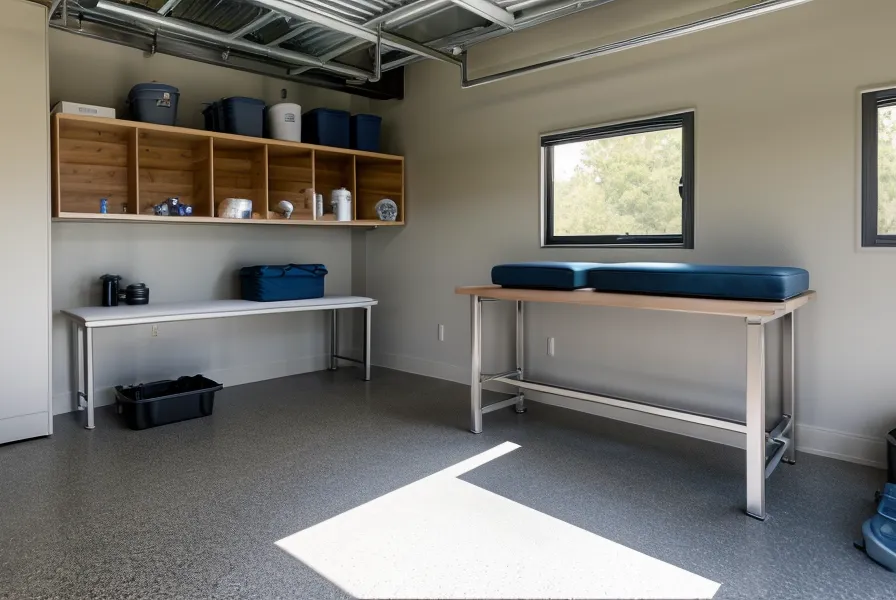
To keep the room looking like a welcoming retreat rather than a utility warehouse, those pedestals serve double duty. Topped with a tailored, breathable linen skirt and a padded bench cushion, the base looks like intentional, modern furniture where guests can sit down to tie their shoes or rest their weekend bags.
Containment: The Two-Tier Spill Protocol
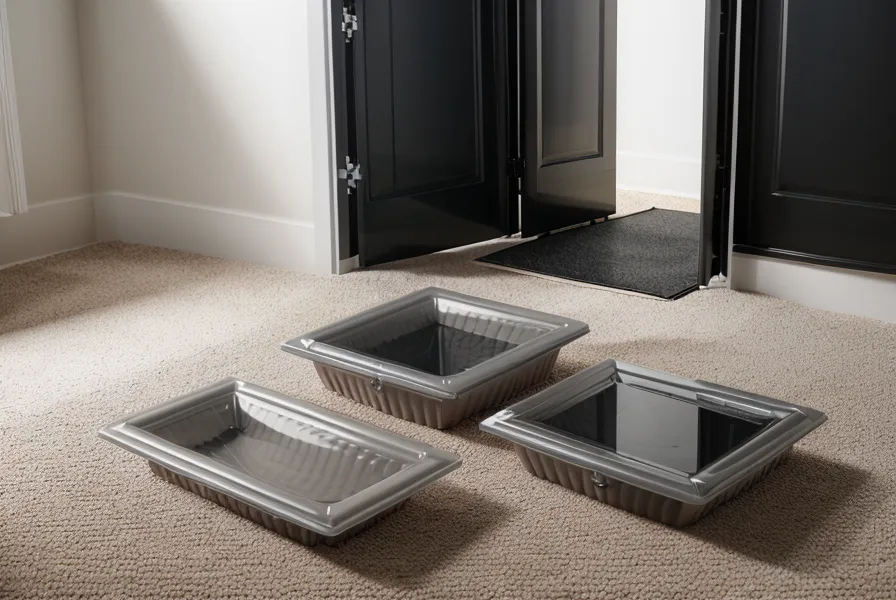
Even with heavy-duty containers, you need a failsafe. Every data center has a drip tray under air handlers; your guest room needs the same philosophy. Never let a plastic reservoir sit directly on carpet.
My containment setup uses rigid, low-profile polypropylene utility trays—the kind sold at farm supply shops for feed mixing or hardware stores for washing machine drip pans. There is a very specific sound that defines this upgrade: the faint, rubbery screech of sliding a rigid low-profile polypropylene tray across short-pile guest bedroom carpet during final positioning. It is stiff, sturdy, and features a raised two-inch lip capable of holding several gallons of runoff in the event of an unexpected puncture.
Inside that tray, I arrange food-grade, heavy-walled containers. I completely stopped relying on disposable gallon jugs from the supermarket. Their thin blow-molded high-density polyethylene (HDPE) seams are notorious for splitting under minor pressure fluctuations. If you are still curious about whether standard retail packaging holds up, I broke down the realities in my notes on whether bottled water expires during long-term storage.
Now, I have zero medical training and I’m definitely not a doctor—or an architect. But common sense and basic physics dictate that clean water storage requires three non-negotiable conditions: zero direct ultraviolet light, consistent ambient room temperatures below 75 degrees, and adequate secondary containment. Be sure to check with your local municipal water authority or health department regarding exact sanitization standards for prolonged indoor storage if you are filling containers directly from your municipal tap.
Setting Up Your Guest Room System: Step-by-Step
If you want to move your emergency reserves out of the garage heat and into a climate-controlled room without sparking household arguments, here is the exact deployment sequence I landed on by late August:
- Map your floor joists: Use a standard stud finder on the ceiling of the room below, or check your subfloor fastening patterns. Place your storage platform perpendicular across at least two floor joists rather than parallel between them to maximize load capacity.
- Lay down a vapor barrier: Place a closed-cell foam mat or heavy vinyl runner directly over the carpet. This prevents mechanical wear on the carpet pile and stops any ambient condensation from transferring to the floor fibers.
- Insert rigid drip trays: Place low-profile polypropylene pans directly on the runner. Ensure the sidewalls are at least two inches tall.
- Choose stackable, rigid containers: Use heavy-walled, opaque containers rated for potable water. I spent months comparing stackable food grade water containers for suburban homes before settling on five-gallon rectangular cubes that lock together without shifting.
- Add acoustic and visual dampening: Cover the array with an opaque, breathable canvas or linen drape before setting any decorative furniture toppers or bench cushions in place. This blocks stray ambient light, keeps dust off the spigots, and prevents any sloshing noises when doors close.
- Deploy an early-warning moisture sensor: Drop a simple, battery-operated moisture puck into the base of the drip tray. If a cap seal weeps even three drops of water, an audible chime alerts you long before moisture ever touches the floor.
The Balance Between Preparation and Hospitality
When my in-laws visited late last summer, they spent three nights in that room. They unpacked their suitcases, hung their garments neatly in the completely clear closet, and sat on the upholstered window bench every morning to drink their coffee. Not once did they realize that resting directly beneath the bench cushion was twenty-eight gallons of purified municipal water—enough to keep our family securely hydrated through another multi-day infrastructure collapse.
Emergency preparedness in a typical suburban home does not require sacrificing everyday comfort or turning your home into a sprawling warehouse. It just takes the same troubleshooting mindset you would apply to any complex household problem: respect the physics of weight, plan for fluid containment, and keep your critical backup systems quiet, cool, and accessible.