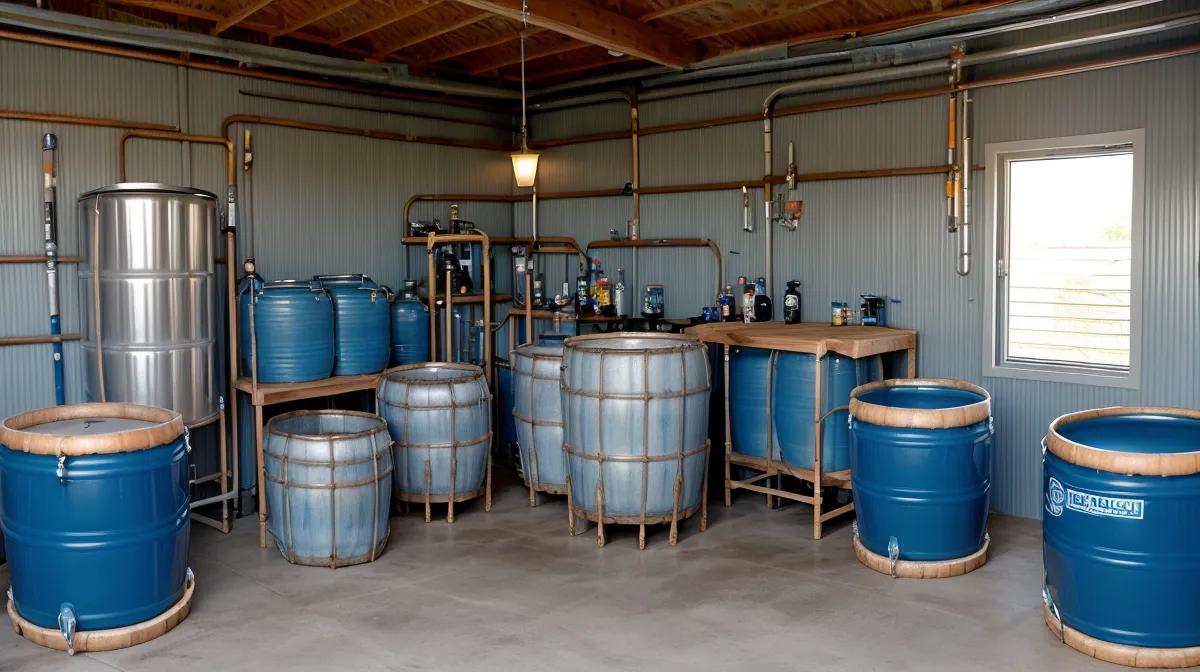
I was standing in my humid garage one Saturday evening in early April, staring at two 55-gallon blue drums, and I had a sudden, very intrusive thought: was the concrete slab of my suburban home actually designed to hold the weight of a compact car in a space the size of a closet? It’s the kind of question that only hits you after you’ve already filled the things. My IT support brain usually handles server uptime and router resets, but looking at those barrels, I realized I was trying to build a liquid backup system for a house that had its 'connection' to the city grid severed for four days during Hurricane Beryl back in 2024.
Water is heavy. That sounds like a 'sky is blue' observation until you’re the one trying to move it. Every gallon of water weighs approximately 8.34 pounds. When you do the math on a 55-gallon drum, you’re looking at a piece of equipment that exceeds 450 pounds when full. It is, for all intents and purposes, an immovable object. I learned this the hard way when I realized I’d positioned the first drum about four inches too far to the left, blocking the path of the lawnmower. I spent twenty minutes trying to nudge it before the strain in my lower back reminded me that I am a forty-something desk worker and not a professional powerlifter. Without a specialized drum dolly, that water is staying exactly where you put it until you empty it.
The IT Mindset: Redundancy vs. Storage
After the taps went dry in 2024, my spouse and I went through the usual stages of suburban panic: we bought every case of bottled water at the grocery store and filled the bathtub. But after about six months of storage, I realized that stack of plastic bottles in the pantry was the equivalent of trying to back up a terabyte of data on 3.5-inch floppy disks. It’s inefficient, it’s wasteful, and it creates a massive organization problem. I needed a robust 'server'—the bulk storage drum—but I also needed a plan for when that storage eventually ran out.
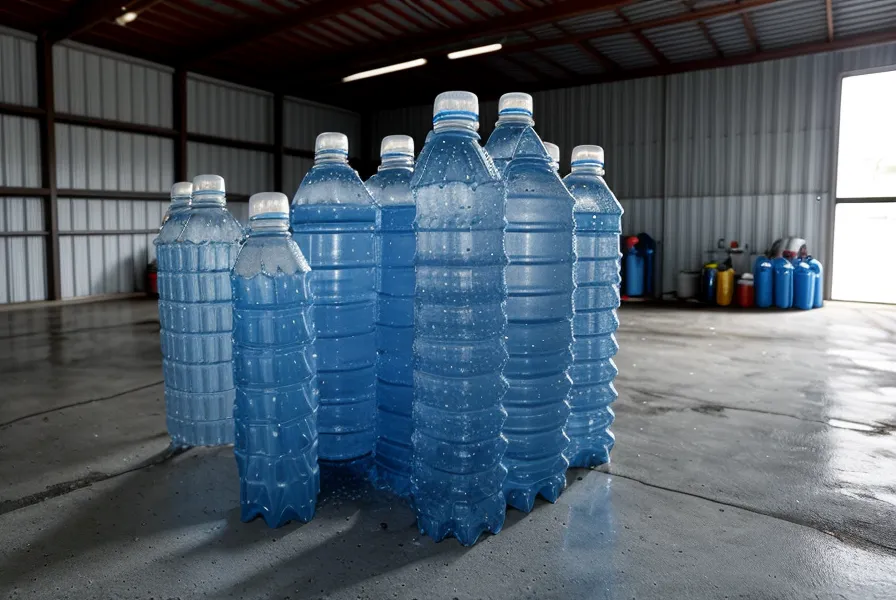
True emergency preparedness isn’t just about hoarding; it’s about managing 'uptime.' The FEMA and CDC minimum recommendation is 1 gallon per person per day. For a family of four, that’s 28 gallons just to survive a week without factoring in hygiene or flushing toilets. My 55-gallon drums were my primary backup, but I started looking at them like I look at an Uninterruptible Power Supply (UPS) for a computer. They buy you time, but they aren't an infinite power source. This led me to a realization: stockpiling bottled water is a losing game. Long-term security is better served by redundant, gravity-fed filtration systems that can utilize local greywater sources or even rainwater, rather than just waiting for the city to fix the pipes.
The Troubleshooting Phase: Siphons and Rotation
One humid morning last March, I decided it was time for my first 'rotation' test. Water doesn’t necessarily 'expire' if it’s stored in a food-grade footer-a116d1 like High-density polyethylene (HDPE), but it does get stale, and if you didn’t treat it right, it can grow things you don't want to drink. I set up my manual siphon pump, and soon the garage was filled with the sharp, rhythmic 'thwack' of the pump handle hitting the bottom of the plastic drum. It’s a satisfying sound, in a weird way—the sound of a system actually working.
I’ve written before about what I learned rotating my first 55-gallon water barrel, but the biggest takeaway is the chemistry. To keep that water safe, you need the right disinfection ratio for clear water: exactly 8 drops of unscented liquid bleach per gallon. But here’s the IT-guy catch: you can’t just use any bleach. It has to be the 'plain' stuff. If it says 'splash-less,' 'scented,' or 'enhanced,' you’re introducing chemicals you shouldn’t be ingesting. You’re looking for a sodium hypochlorite concentration between 5.25 to 8.25 percent. I keep a small bottle of the correct stuff taped to the top of the drum so I don't have to go hunting for it when the power is out and I'm stressed.

The Texas Heat Variable
By late June, as hurricane season started ramping up, I noticed something I hadn't seen in any of the online 'prepper' forums. Houston heat is brutal, and my garage can easily hit triple digits. I walked out one afternoon and noticed the sides of my drums were slightly bowed. The water inside was expanding, and the polyethylene was softening just enough to make me nervous. I had a minor scare with a drum seal that seemed to be weeping a tiny bit of moisture. I realized these containers aren't truly 'set and forget.' They’re more like a car—they need a quarterly inspection.
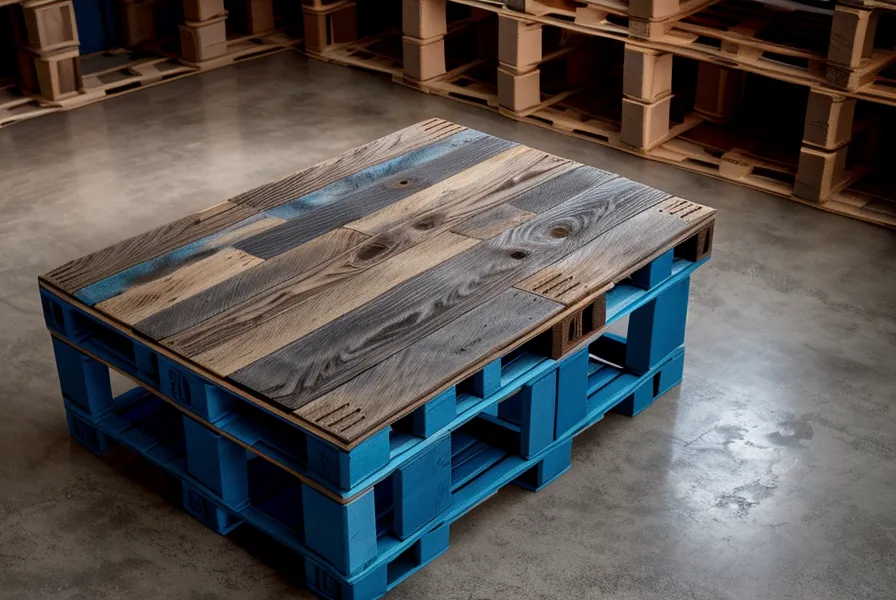
Another thing I learned from a local old-timer: don’t put your plastic barrels directly on the concrete. Over time, chemicals from the concrete can actually migrate into the plastic and taint your water. I spent a Saturday afternoon cutting up some wooden pallets to keep the drums elevated. It also makes it easier to get the siphon hose started if the drum has a little bit of a height advantage over your receiving bucket. It’s about managing the physics of the system. If you want to see how this fits into a larger setup, you might check out my year testing suburban water storage systems to see which containers actually held up to the Houston humidity.
Lessons from a Year in the Garage
Looking back on the 8-month stretch from last autumn through this summer, my garage looks less like a storage unit and more like a well-managed data center. I’m not a doctor or a professional disaster manager—just a guy who hates being thirsty—so you should always check with the CDC or your local water authority for the most current safety standards. But from a purely practical, 'user-end' perspective, the biggest lesson was that the gear is only half the battle. The other half is the routine. I’ve integrated my water checks into my IT-style inventory system, which keeps my spouse from feeling like the garage is being overtaken by a blue plastic army.
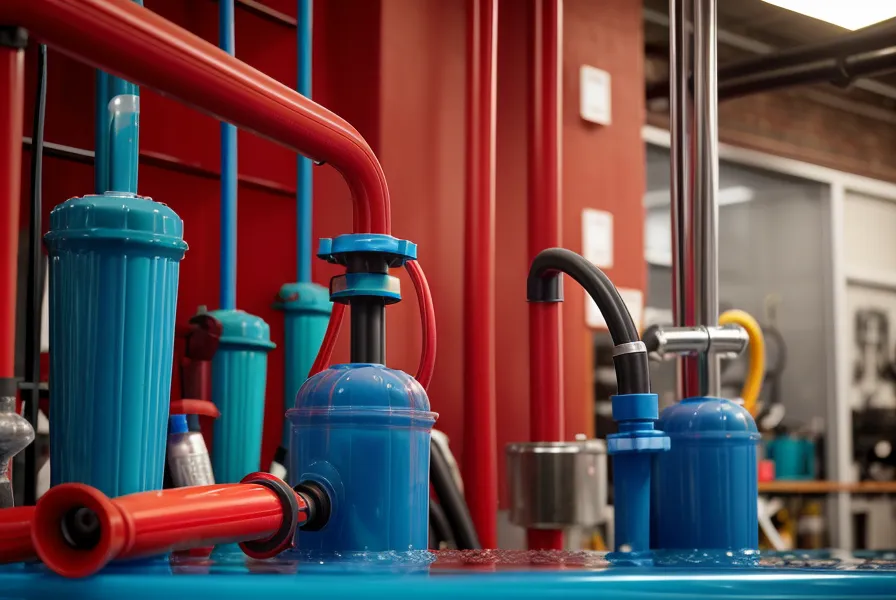
I’ve made plenty of mistakes. I once flooded a small patch of the driveway because I didn't secure the drainage hose properly during a rotation. I’ve also realized that if a major event lasts longer than two weeks, those 110 gallons I have stored are just a bridge to a better solution. That’s why I’ve pivoted toward high-quality, gravity-fed filters. In a real pinch, I can take 'questionable' water from a rain barrel or even a neighbor's pool and turn it into something safe. It’s the ultimate failover—redundancy for your redundancy.
Maintenance is the Only Real Security
We’re now heading back into the cooler months, and the 'Texas expansion' in my drums has settled down. The water is clear, the seals are tight, and I’ve got my rotation schedule marked on the calendar. Preparedness isn’t about reaching a destination where you’re 'safe' forever. It’s about maintaining the systems so that when the next Beryl-level event rolls through, it doesn't feel like a catastrophe. It just feels like another Tuesday where you have to switch over to the backup server.
If you're just starting out, don't feel like you need to buy a dozen drums at once. Start with one, learn the physics of moving 450 pounds of liquid, and get comfortable with the bleach-to-water ratios. Once you’ve troubleshot the basic setup, the rest is just scaling. Just keep an eye on your lower back—and maybe buy that drum dolly before you fill the second one. Your future self will thank you.