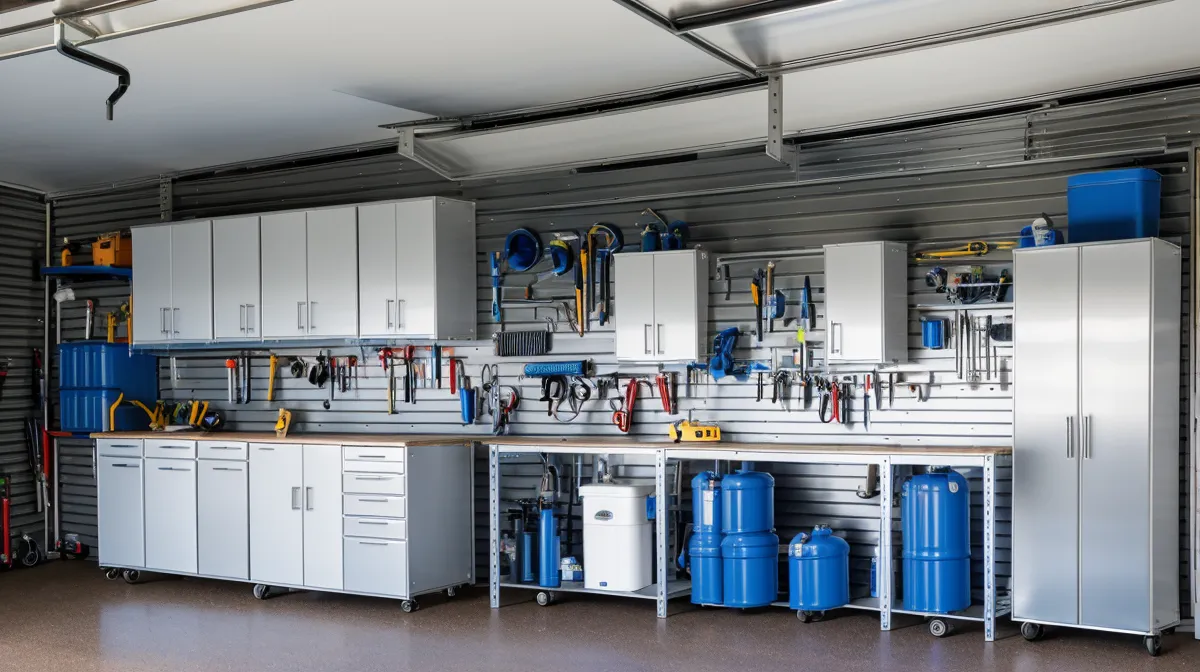
A case of bottled water and a fifty-gallon storage drum look like the same kind of insurance, but they solve different problems, and confusing the two is the mistake I keep watching neighbors make. Water preparedness gets treated like a shopping list, not a plan, which is exactly what turned my garage into what my spouse calls a water museum.
Update (September 2026): Aqua Tower is no longer available for purchase; this article is kept for reference. Our current alternative pick in this category is Water Freedom System.
Quick disclosure before we get into it: some of the links below are affiliate links, and if you buy through them I earn a small commission at no extra cost to you. I've tested most of what's mentioned here myself, in a garage in the Katy suburbs west of Houston, ever since Hurricane Beryl knocked our taps out for four days back in 2024. I'm not a doctor, a plumber, or a certified anything when it comes to water safety, just someone who got tired of guessing.
The Bottled-Water Myth That Falls Apart by Day Two
The myth goes like this: stack enough bottled water cases in the garage and you're covered, no further thinking required. Mel from next door watched me test that exact theory the hard way. I'd stacked five cases of bottled water from Costco right after Beryl, called it a plan, and by day two of that outage every case was gone, split between drinking, cooking, and the dog's water bowl. Mel just stood there with that look he gets (the one that says he's already filing this under "didn't work"). He doesn't trust a product or a plan until he's personally watched it fail, and that one failed in under 48 hours.
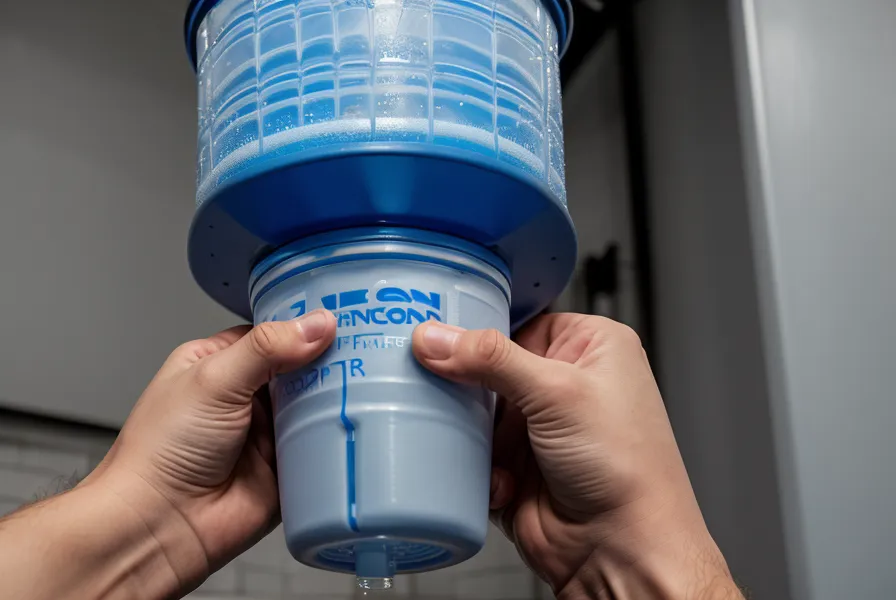
What actually matters is measured in days, not cases. A case of water covers drinking for a day or two if everyone's careful, but it does nothing for flushing a toilet, rinsing produce, or keeping four people functional through a longer outage. The rule I give neighbors now is blunt: count the days you think you could realistically be without city water, then build storage around that number instead of around how many cases fit in the cart.
How Much Water Does Emergency Gear Actually Need to Cover?
There's a well-known per-person, per-day number FEMA puts out, and I won't redo that math here since I've broken it down elsewhere. The short version is most families guess low, sometimes by half. Sandra Kwan, a neighbor who found my notes on the local app, asked me the more useful question anyway: not what's the official number, but how many containers she actually needed for a family of four without turning her garage into a project. That's the question worth answering, and it's rarely the one people start with.
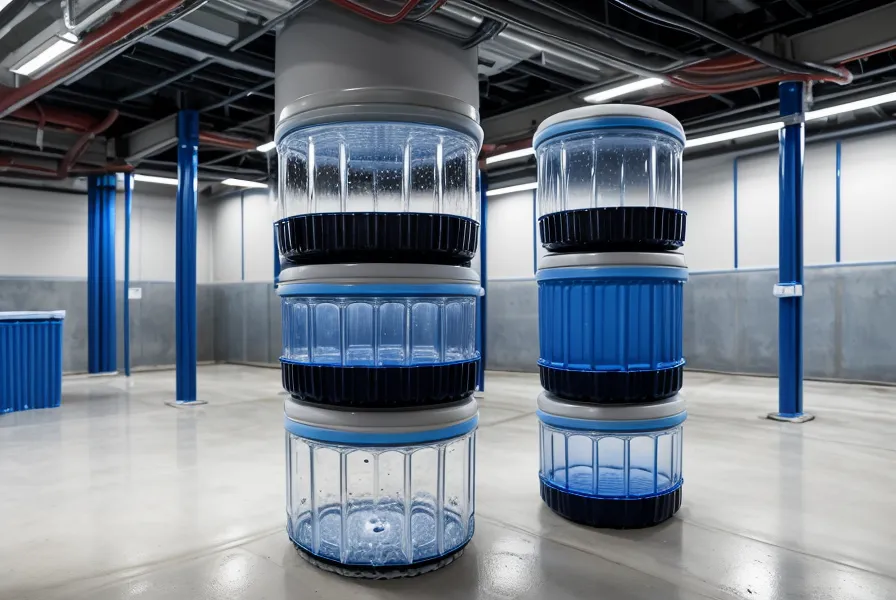
Matching footer-a116d1 capacity to your actual household number, not to whatever fits on a garage shelf, is really its own planning exercise, and it's where most of the second-guessing happens. Going vertical instead of spreading wide is part of why a tower-style setup earns its spot against a wall instead of eating the whole floor. Somewhere between grab-and-go and set-and-forget lies the real answer for most families, since a single approach rarely covers both a fast evacuation and a week stuck at home.
Home Resilience Looks Boring Most of the Time
Home resilience isn't glamorous most days. It's a row of labeled containers against the back wall, the tallest of them clearing my shoulder now, and a cold-water tap at the utility sink I use only for fill-and-flush testing. Every footer-a116d1 in that lineup needs its own cleaning routine before it goes back into service, and skipping that step is how stored water turns on you later. I rotate what's on that wall on a set schedule now instead of trusting a date scrawled on the side in marker, which turned out to be a better habit than any gadget I've bought.
We were gone for a stretch one July, and I remember walking out to check the containers barefoot the morning we got back, the concrete still cool under my feet before the Texas heat caught up with the day. I half expected a ring of grime around every seam. There wasn't one, and that quiet non-event told me more about which containers actually hold up than any spec sheet does.
Weighing Portable Filters Against Bulk Storage
This is where the actual gear enters the picture instead of the theory. The SmartWaterBox is the one I reach for most, because it's modular enough to wedge into gaps a single big barrel never fits, and I got into why in Why the SmartWaterBox Is the Best Water Storage for Small Closets.
Filtering water and purifying it aren't actually the same job, though most people use the words interchangeably right up until something goes wrong. The hollow fiber membrane tech inside most pocket filters is the same basic idea whether it's built into a premium multi-stage setup or a keychain straw, and how fast one of those filters actually processes a gallon under real pressure is a number worth checking before you're relying on it in the dark. Chemical treatments carry their own catch: they have a shelf life most people never check until the bottle is already old.
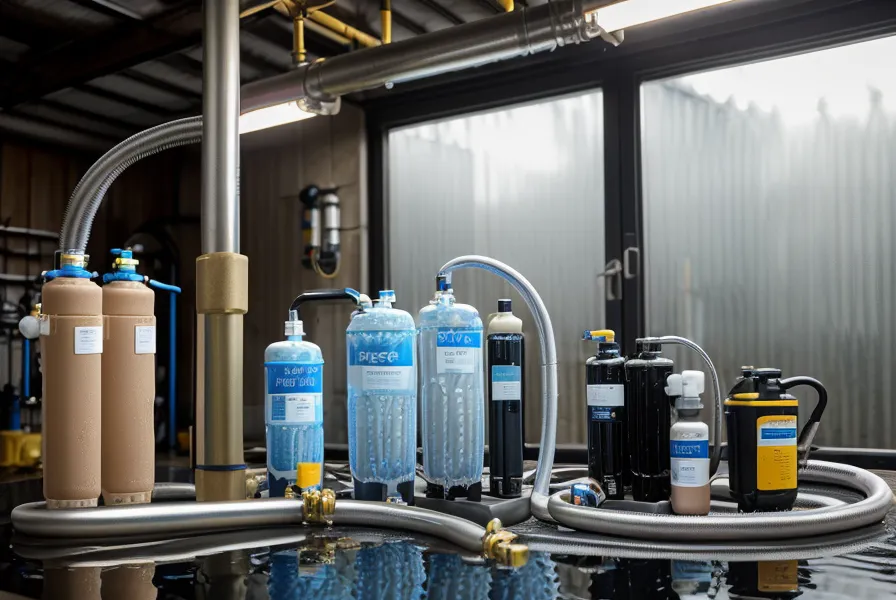
For the bulk side against the garage wall, I lean on an Aqua Tower setup, which I walked through in Setting Up Your Aqua Tower for Long Term Suburban Water Storage. David's Shield sits on the shelf for whenever a water quality report looks questionable, and Dark Reset, small enough to live in the car, covers the portable end for whoever's out of the house when things go sideways.
A Look Inside My Survival Testing Garage
Survival testing, in practice, is less dramatic than the word suggests. It's checking seals, rotating stock, and writing down what actually failed instead of what looked good on the box. Sandra ended up going simple: enough storage to cover a real number of days, one filter she actually understood how to use, and a rotation habit she'd stick to, rather than every gadget I'd tried. That combination beat anything flashy I tested, and it's the same combination I'd tell any neighbor to start with.
If you're only taking one thing from this: stop counting cases and start counting days, then build backward from that number with a mix of bulk storage and something portable, not one or the other. I go into the fuller testing breakdown in The IT Guide to Not Dying of Thirst: My 18-Week Houston Garage Water Lab, if you want the long version. My garage will probably keep growing until my spouse finally puts a limit on it (a line that gets redrawn every time a new box shows up), but at least now every footer-a116d1 in there has actually earned its spot.