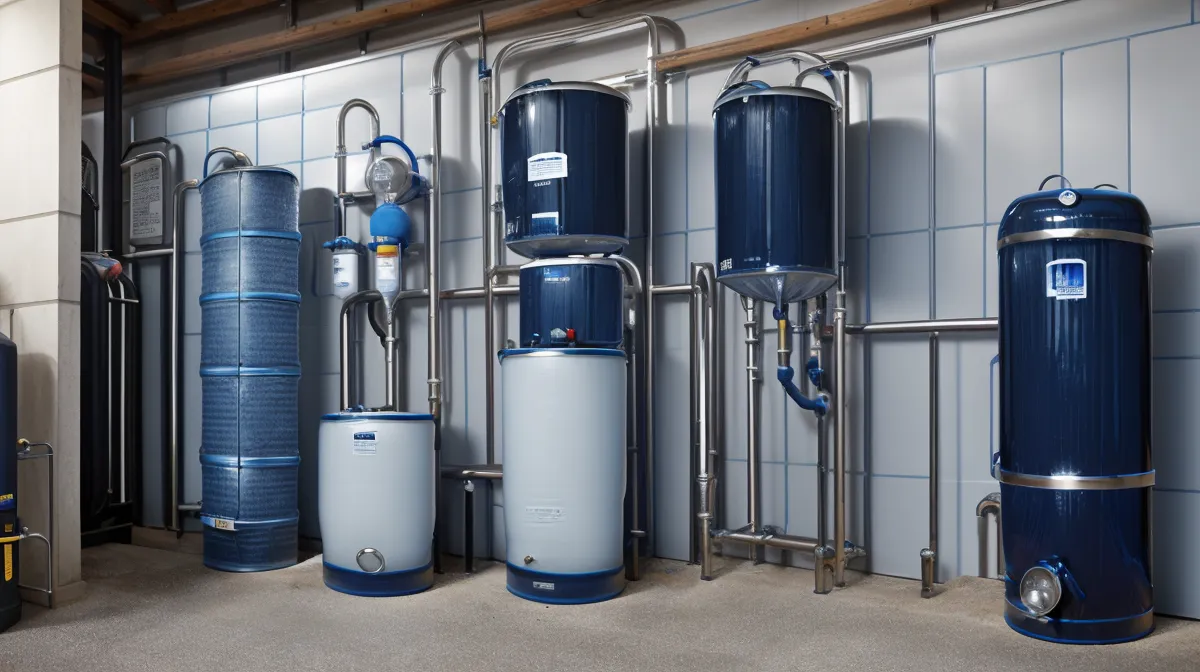
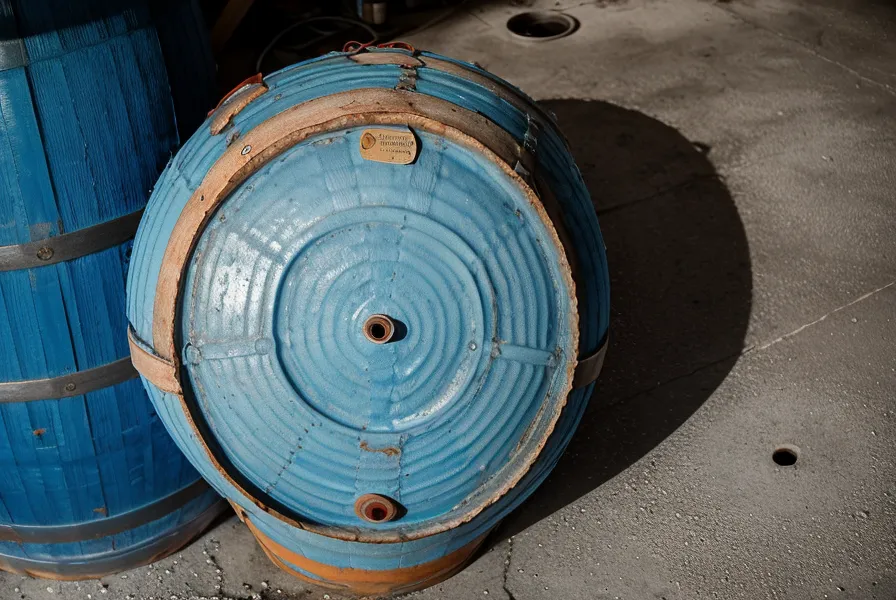
2.8 square feet. That's the floor space a single 55-gallon water barrel eats up in a garage, before you've even worked out where the second one goes, or how the car is supposed to fit beside it. Most emergency prep advice treats every gallon of potable water the same way: buy the biggest round drum you can find, wedge it into a corner, and call your water storage plan finished. That thinking is how our Houston-area garage ended up with two blue barrels crowding it after Hurricane Beryl left us dry for four days in 2024. My spouse's bumper eventually found one of them at a very unfortunate angle. The barrels weren't wrong, exactly. The shape was.
Update (September 2026): Aqua Tower is no longer available for purchase; this article is kept for reference. Our current alternative pick in this category is Water Freedom System.
Quick disclosure before any of this goes further: this page contains affiliate links, and if you buy through one, I earn a commission at no extra cost to you. Every product mentioned below has spent real time in my own garage — filled, drained, occasionally muttered at — and I only write up gear I've actually tested myself. None of this is professional advice, either. I troubleshoot networks for a living, not water systems, so treat what follows as one neighbor's notes, not an engineering opinion, and check with a contractor if you're unsure what your garage floor can hold.
The Barrel Myth: Why More Water Storage Doesn't Fix a Bad Footprint
Here's the misconception: that gallons are gallons, and the footer-a116d1 holding them barely matters as long as it's food-grade and sealed. A standard 23-inch-diameter barrel has a footprint of about 2.8 square feet, and because it's round, it leaves dead space in every corner it touches — you can't flush a circle against two walls the way you can a square. Two of them cost you nearly 6 square feet of floor, which in a two-car garage that already holds a lawnmower, a couple of bikes, and a workbench (currently doubling as storage for things I'll definitely use someday) is space you don't actually have. Garage organization was never really about the water. It was about the geometry.
A friend of mine, Craig Delacroix — someone I first crossed paths with in a Houston-area preparedness Facebook group — is blunt about admitting when a prep decision didn't pan out, and barrels were his example too. My own version of that same mistake happened on the treatment side, not storage: I dug out iodine tablets from an old camping kit once, thinking any treatment beat none, and the water turned a dull yellow that my kids wouldn't go near. Purification and filtration solve genuinely different problems, which is worth its own conversation entirely, but that failed experiment taught me the method matters as much as the container.
If you're just starting a water storage plan and money's tight, something like the Dark Reset is a reasonable entry point — it's built for portable, grab-and-go needs rather than bulk household storage, which is a different category from everything else in this comparison. I put it head-to-head against a sturdier filter in my David's Shield vs Dark Reset reliability test. But for a permanent setup meant to cover a whole household, footprint math matters more than what's printed on the box.
What Does "Vertical Storage Footprint" Actually Mean?
Vertical storage footprint is just the floor space a footer-a116d1 uses per gallon it holds, once you factor in shape and height instead of capacity alone. A round barrel wastes the corners around it; a square-base column like the Aqua Tower sits flush against two walls at once, so almost none of its footprint goes to waste. Height does the rest of the work — the same gallon count stacked upward instead of spread outward. When I swapped my barrels for a vertical stack, the math worked out to saving over a square foot of floor space for every 100 gallons stored, which sounds small until you're the one trying to open a car door in a garage that used to feel like a hallway.
The SmartWaterBox takes that same idea and makes it modular — stackable units you can add one at a time instead of committing to one giant column on day one. My neighbor, Preethi Ramachandran, came by after a neighborhood app thread turned into people telling her to talk to "the water guy," and the first question she asked wasn't which product to buy — it was how many gallons per person per day her family actually needed, since that number decides how much total footprint you're solving for in the first place. She wasn't buying anything until the whole system made sense to her, which is a smarter starting point than most people ever reach.
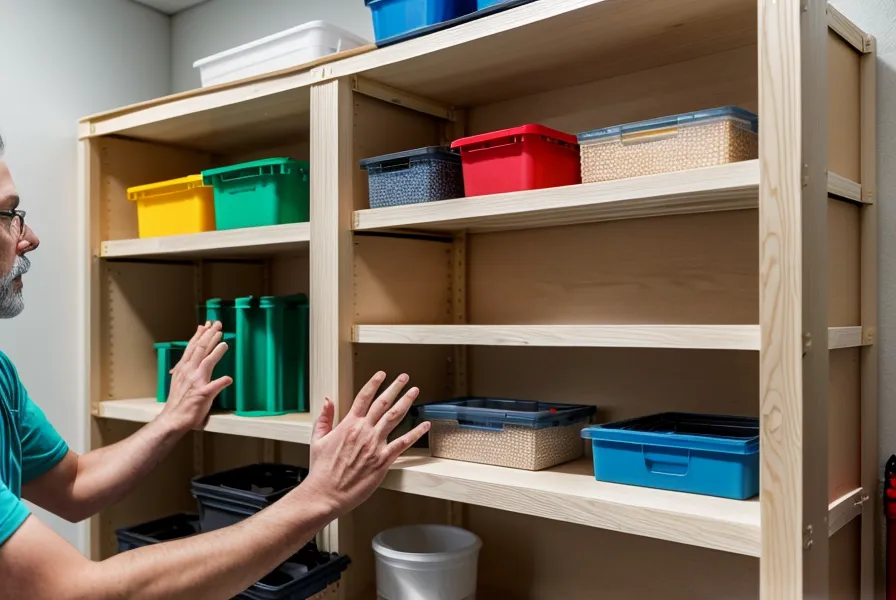
Between the two, the Aqua Tower feels like the heavy-duty option — a tank in the best sense — while the SmartWaterBox feels more like something you'd grow into over time, adding modules as your storage-capacity planning evolves rather than buying your final setup on day one. I compared the two directly in my SmartWaterBox vs Aqua Tower comparison, and the 2026 models on both have tightened up seal integrity noticeably since I first tested them.
The Real Product Comparison: 2026 Storage Specs
Numbers settle arguments faster than opinions do, so here's how the setups I've actually tested this year stack up against each other in a real suburban garage, not a warehouse demo.
[component_data:comparison_table]Anchor It Before You Trust It
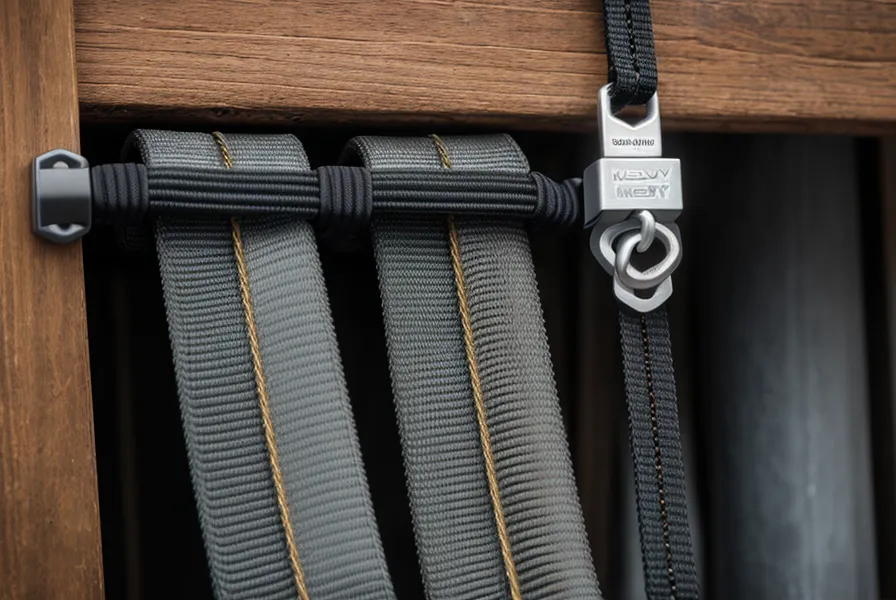
Nobody puts this part on the box: vertical storage trades convenience for a real safety consideration. A 50-gallon unit weighs over 400 pounds full, and unlike a barrel that's low and wide and going nowhere, a tall column is a pillar of standing liquid. If there are kids around, or the garage is anything less than tidy, that column needs to be strapped to the wall studs — the same logic as bolting down a tall bookshelf so it can't tip.
Strapping mine down with nylon anchor straps and lag bolts into the studs took an extra half hour on a Saturday morning (and a fair amount of standing on a stepladder wondering if I'd measured right), and it turned a genuine tipping hazard into something that doesn't budge. Anyone who'd rather skip the drilling altogether has a reasonable alternative in David's Shield, which trades the height (and the anchoring requirement) for a lower center of gravity and strong contaminant removal ratings — I actually keep it as my go-to filter for long-term storage for that reason.
How Fill-Top, Drain-Bottom Design Beats a Deep Barrel
Rotating water out of a deep barrel meant hauling out a hand pump that turned every refill into a small workout. The Aqua Tower and SmartWaterBox both fill from the top and drain from a bottom spigot instead, which keeps the oldest water moving out first without any extra equipment. A gravity filter's flow rate is a separate headache worth its own explanation elsewhere, but the slow hand-pump routine on my old barrels is exactly what made a simple gravity-fed spigot feel like an upgrade.
The first time I opened that spigot after the SmartWaterBox had sat untouched for months, what ran out was cold and clear, with none of the gritty ring you'd expect at the bottom of a barrel nobody's looked at in a while. That's the kind of small detail that tells you a design choice is working better than the alternative you used to put up with.
Standing water in a hot garage is basically an incubator for algae once summer sets in, and staying ahead of it takes more than just picking the right footer-a116d1 shape. I laid out my full process in How to Store Water in a Houston Garage Without Growing Algae, which covers the water-rotation schedule side of things in more depth than makes sense to repeat here. I also keep a bottle of purification drops on hand as a backup, since chemical treatments have their own shelf-life considerations separate from how long the water itself has been sitting. Keeping the containers themselves clean is yet another maintenance task with its own protocol, and one that's easy to skip until something starts smelling off.
Which Setup Actually Wins the Garage?
After the switch, total capacity actually went up to 160 gallons while using about 30 percent less floor space than the original two-barrel setup. The car fits without anyone acting as a spotter, and there's no more scraping bumpers against blue plastic every time someone backs out. That's the real answer to the barrel myth: the footer-a116d1 shape was always doing more work than the gallon count ever did.
[component_data:pros_cons]If you're tired of tripping over round drums, the SmartWaterBox is a solid starting point — modular, easy to expand, and it fits into spaces a barrel never could. For a permanent, high-capacity column, the Aqua Tower is the stronger long-term pick. And if you just need something portable in the closet today without overthinking it, the Dark Reset covers that gap. Whichever direction you go, anchor it to the studs — 400 pounds of standing water left to gravity alone is not a bet worth making.