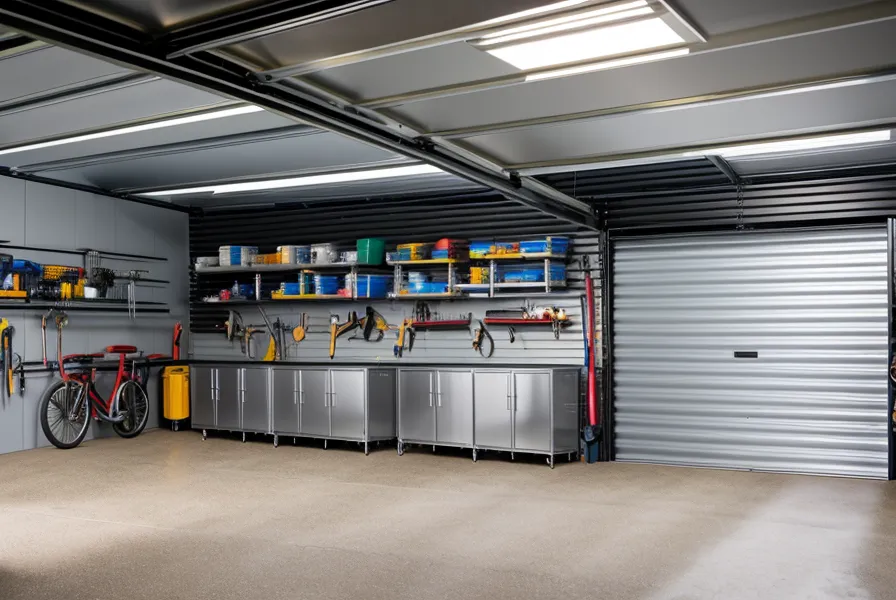
A shelf of forty water jugs tells you nothing about which ones are actually safe to drink.
That's the blind spot nobody warns you about when you start building emergency water storage. Suburban prep gets sold like a shopping problem — buy the jugs, fill the jugs, done — but the part that actually keeps a family safe is inventory: knowing what's fresh, what's aging, and what needs to move to the front of the line before it becomes an emergency-maintenance headache instead of a resource you can count on. People ask me some version of the same handful of questions once they see my garage, so here's what I actually tell them.
Why Does Water Even Need to Be Rotated?
The moment that convinced me rotation wasn't optional had nothing to do with water directly. I was cooking pasta on a camp stove during a practice weekend, working my way through a shelf of stored food without a second thought, and it didn't hit me until the pot was already on the burner that I'd planned every meal down to the seasoning packets and never once thought about the water sitting three feet away. The food plan and the water plan are the same plan. Treating them separately is how people end up with a garage full of calories and nothing safe to cook them in.
Water left alone in a garage isn't inert, either. Containers age, seals weaken, and depending on what the water sits in, the taste can shift enough that nobody in the house will actually drink it when it counts. None of that shows up from the outside of a sealed jug, which is exactly the problem this whole system is trying to solve.
The 55-Gallon Drum I Regret Buying
My first move was to go big. One 55-gallon drum, one purchase, problem solved, or so the math suggested. A gallon of water weighs 8.34 pounds, so a full drum comes in somewhere north of 450 pounds once you add the plastic. I didn't think hard about that number until I needed to shift the drum three feet to make room for a shelving unit and couldn't budge it without draining it first.
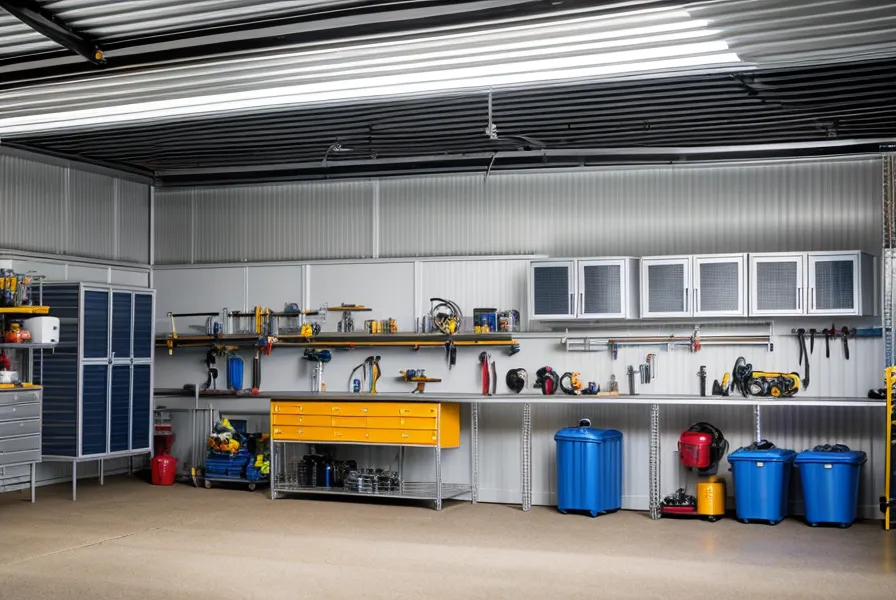
A friend of mine, Craig Delacroix, laughed pretty hard when I told him about it. He's the type who trusts what he's actually lived through over what a forum thread says should work, and his response was basically that the math had been against me from the day I bought the drum. He wasn't wrong. If the garage flooded or we needed to evacuate in a hurry, that water was staying exactly where it was, whether I liked it or not. That single afternoon is why I switched to a modular setup of smaller jugs instead — the equivalent of swapping one giant hard drive for a RAID array, where losing or moving one unit doesn't take down the whole system, and I can actually lift each piece without help.
Is Grocery Store Bottled Water Good Enough?
For the first year after Beryl, my answer was cases of bottled water from Sam's Club on I-10 West, stacked behind the lawnmower like that solved anything. It didn't, not for the long haul. Most of those bottles are thin PET plastic, and in a hot Houston garage that plastic starts breaking down well before you'd expect, leaching enough into the water to give it an unmistakable plastic taste, which is really just your nose telling you the footer-a116d1 is failing.
Serious storage calls for thicker, UV-resistant High-density polyethylene containers instead, the kind built to sit in a garage through a Texas summer without turning your water into something you'd rather not drink. I went into a lot more depth on which containers actually held up in my Garage Water Storage Experiment, including a few that failed in ways I didn't expect, but the short version is that buying cheap, disposable bottles over and over ends up costing more, in money and in trips to the recycling bin, than buying a handful of containers once and taking care of them.
Keeping a Water Inventory Without a Spreadsheet
My neighbor Preethi Ramachandran asked me this exact question the first time she walked over after hearing about "the water guy" on our neighborhood app: how do you actually know what's fresh without opening every single jug? I tried a spreadsheet first, since that's how I track everything at my actual job, but a tracking system nobody updates is worse than no system at all, and mine fell apart almost immediately. A bulky rack system built for stacking jugs lasted a little longer before it just took up too much floor space.
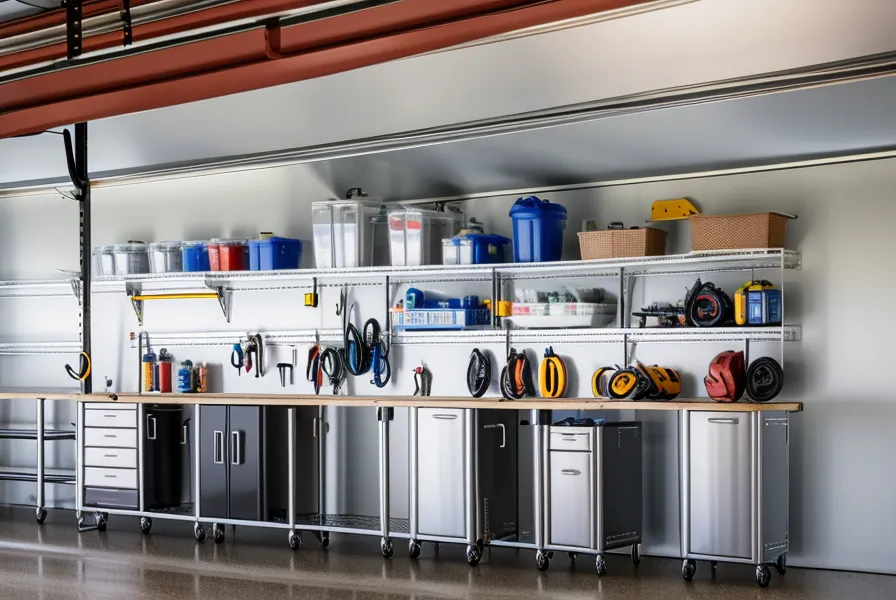
What stuck was embarrassingly low-tech: color-coded zip ties on the jug handles. Blue means fresh, yellow means it's due for rotation, red means non-potable, cleaning use only. I can read the status of my entire supply walking past it with a flashlight, no app, no login, no faded marker turned into an illegible gray ghost. I still follow the Federal Emergency Management Agency baseline of one gallon per person per day and build in extra on top of that, and I keep the whole thing on a loose, ongoing rotation rather than a fixed calendar date, since the zip ties tell me what needs attention before any schedule would.
Do You Actually Need to Disinfect Containers Every Refill?
Short answer: yes, but don't overdo it. The first time I refilled a jug, I followed a YouTube tutorial's bleach ratio to the letter and ended up with water that tasted like a swimming pool for the better part of a week — technically fine to drink, completely undrinkable in practice, and a good reminder that more disinfectant isn't automatically safer or more effective. There's also a real difference between disinfecting a footer-a116d1 and filtering water, and conflating the two is an easy way to trust a method that isn't actually doing what you think it's doing.
I won't turn this into a full tutorial on ratios and shelf life (that's its own rabbit hole, and household bleach loses potency over time in ways worth knowing before you rely on it), but I will say the footer-a116d1 matters as much as the water going into it. If you want the full breakdown of which containers survived my garage heat tests and which ones I'd never buy again, I wrote it up separately in my testing results for suburban water storage systems.
What This System Actually Fixes
None of this is really about water, if I'm honest. Somewhere in the middle of reorganizing, I went through a box of spare filter cartridges I'd been storing for who knows how long, cardboard gone soft and faintly damp-smelling from sitting through one too many Houston summers, a reminder that water isn't the only thing in a garage that quietly ages past useful without anyone checking. Emergency supplies of any kind need the same basic habit: look at what you have, know how old it is, and put the oldest stuff where you'll actually use it first.
My garage still has more blue jugs than my spouse would prefer, and the zip ties still get an eye roll every time I'm out there checking them (her exact words on the subject are unprintable). But I know exactly how much water we have, how old it is, and whether it's safe, and that beats guessing every time. Just watch your back when you're moving any of it. 8.34 pounds a gallon doesn't sound like much until you've carried twenty of them across a concrete floor.