
Late one sweltering evening in my Houston garage, I caught myself wiping sweat off my forehead with the back of a greasy forearm, staring at a schematic on my laptop that promised infinite drinking water harvested directly from the Gulf Coast air. Behind me sat stacks of five-gallon water jugs, crowded next to lawn equipment and half-empty paint cans.
Before we dive into the nuts and bolts, a quick note on transparency: This site uses affiliate links, meaning I earn a commission at no extra cost to you if you purchase through them. Every piece of equipment, guide, and gadget featured here is something I personally tested and troubled-shot in my own garage workshop. I do not recommend gear I have not put through its paces.
Ever since Hurricane Beryl knocked out municipal tap water for four brutal days in 2024, my perspective on emergency readiness changed completely. In my day job doing corporate IT support, when a network switch fails, you have redundant fiber paths and unmanaged failovers to keep the office running. Losing municipal water showed me our suburban infrastructure had zero home failovers. If you don't store water, you simply run dry. That reality sparked a four-month troubleshooting project running from late spring through late summer of this year, pushing me to find out whether the Water Freedom System blueprint holds up to reality.
The Hurricane Beryl Reality Check and the Appeal of Air-to-Water

Anyone who lived through Beryl remembers the sudden quiet of dead pipes. We had plenty of canned soup, but washing hands or flushing toilets required negotiating every drop. According to official guidelines from FEMA and the American Red Cross, the bare minimum water reserve is one gallon per person per day. For a family of four, just getting through a standard two-week municipal outage demands dozens of heavy containers. I spent months comparing stackable food grade water containers for suburban homes, but bulk storage eats garage square footage fast.
That is why the sales pitch behind atmospheric condensation sounds so intoxicating to anyone with a suburban mortgage. Instead of storing hundreds of static pounds of liquid, why not generate it on demand from ambient humidity? Houston humidity routinely hovers above eighty percent during hurricane season. On paper, it sounds like routing incoming web traffic through a cloud proxy instead of hosting giant localized servers. Naturally, my IT troubleshooting brain wanted to see if the schematics in the Water Freedom System could actually deliver on that concept.
Before sinking your weekends into building anything, understand this: I am an IT guy, not a civil engineer, licensed plumber, or medical professional. Water safety is serious business, and bacteria or heavy metals are no joke. Always cross-check water sanitization guidelines and consult qualified local professionals before drinking improvised water sources.
Unboxing the Blueprint: What the System Actually Delivers
The first thing to understand is that buying the Water Freedom System does not bring a prefabricated appliance to your front porch. It is a comprehensive digital blueprint package explaining how to assemble an atmospheric water generator using parts sourced from local big-box stores like Home Depot and basic online suppliers. The guide comes with instant digital access and is backed by a 60-day 100% money-back guarantee, though opting for a spiral-bound physical print copy adds $9.95 in shipping. Exact pricing on the digital files fluctuates based on current promotional specials, so you will want to check the vendor's page directly to confirm what they are currently charging.
One muggy weekend in late May, I downloaded the schematics, cleared off my garage workbench, and took inventory. The concept leans on thermodynamic condensation—essentially chilling an array of metallic surfaces below the dew point so airborne vapor liquifies, drips into a tray, and routes through multi-stage filtration. It is the exact same physics that leaves a puddle underneath your central air conditioning unit on a muggy afternoon.
The Garage Bench Test: Assembling the Components
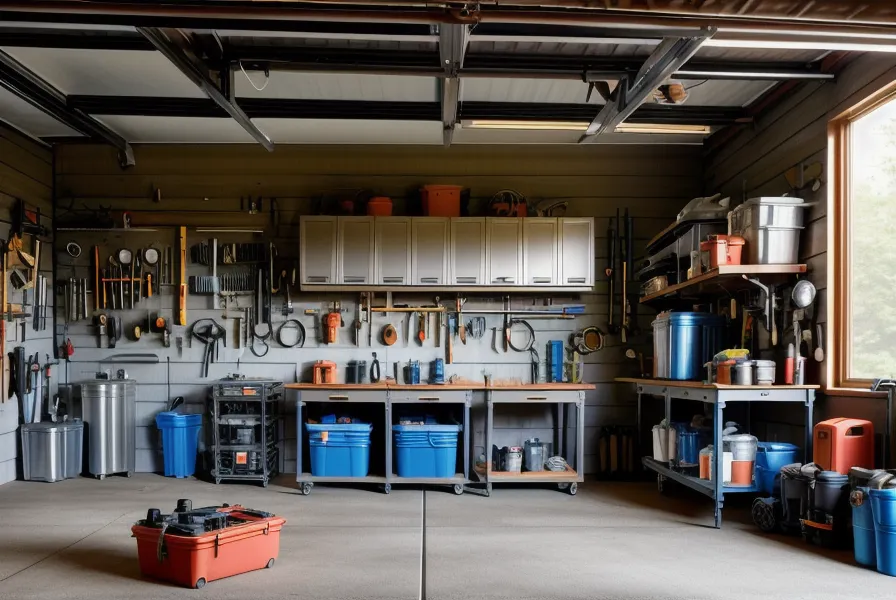
Building the unit felt a lot like assembling a custom rack-mount PC from bare motherboards and aftermarket fans. You gather copper tubing, an enclosed condensation chamber, small direct-current fans, and solid-state thermoelectric cooling chips. I used standard TEC1-12706 cooling modules, which pull roughly a 60 watts power rating apiece under full draw.
My first dry run was an absolute lesson in humility. I wired the cooling peltier module in reverse during the initial bench test, turning the condensation grid into a tiny radiator instead. Ten minutes in, instead of beadlets of dew forming along the copper array, the metal was radiating warmth like an overclocked server processor. After swapping the polarity and tightening down the wiring harnesses, I reset the setup.
Soon, the hollow metallic rattle of a small condenser fan vibrating against my garage workbench filled the room while thick summer humidity clung to everything. At that exact moment, my wife leaned into the garage, eyed the tangled copper tubing and wire harnesses, and quietly asked if we still had bottled water. (Her skepticism was entirely warranted, given the chaotic state of my workbench.)
The Physics of Condensation vs. Garage Reality
After about two weeks of tinkering and sealing air leaks around the plenum, I began logging daily runtimes and yield. Here is where the marketing promises collide with thermodynamics. In atmospheric water harvesting, condensation yield is governed by ambient humidity. While the engineering threshold for these systems requires roughly 30% relative humidity to produce measurable droplets, higher humidity yields significantly better returns. Living on the Gulf Coast gave my test rig the best conceivable environment.
Yet during a heavy heatwave in mid-July, I found myself sitting on a shop stool, wondering whether spending an entire afternoon monitoring a collection tray for three ounces of moisture was prudent preparedness or stubborn IT troubleshooting. Condensation does work—the physics are indisputable—but it requires continuous electrical power. Drawing 60 watts continuously per cooling unit adds up quickly if you are running on an off-grid solar generator during a localized grid collapse.
Furthermore, atmospheric condensation has a hidden catch that glossed-over online articles rarely mention: condensation coils naturally pull airborne dust, pollen, and volatile organic compounds along with moisture. Raw condensed water from a garage is essentially distilled humidity mixed with garage dust. Downstream particulate filters and activated carbon blocks are mandatory before taking a single sip. If you are exploring filtration hardware, my testing of best inline water filters for emergency home backup systems covers how these filtration media hold up to unexpected contaminants.
The Measurable Tradeoff: Passive Condensation vs. Bulk Storage

Over four months of testing, an unexpected reality surfaced: passive condensation devices require more daily maintenance labor than traditional storage solutions, despite offering a more consistent long-term supply. Storing 55-gallon drums or boxed emergency reserves requires heavy lifting upfront, but once treated, they sit dormant on your garage floor like a standby backup drive requiring zero runtime babysitting. Condensation systems, on the other hand, require daily filter monitoring, cleaning condensate pans to prevent mold, checking electrical connections, and ensuring adequate airflow.
If you enjoy DIY projects, understanding how to construct an operational generator out of salvageable hardware is uniquely empowering. But if an outage hits tomorrow, you do not want to be soldering wires while the neighborhood tap runs dry. Many suburban homeowners find that turn-key pressurized units or all-in-one disaster kits like SmartWaterBox, David's Shield, or Dark Reset provide immediate plug-and-play peace of mind without a weekend spent with a soldering iron.
Final Verdict on the Water Freedom System
Can the Water Freedom System pull water from thin air? Yes, absolutely. The underlying engineering works, provided your regional air is sufficiently humid and you have a reliable way to supply power to the fans and cooling elements. It demystifies atmospheric harvesting and teaches you how to construct an independent failsafe when retail supplies evaporate.
If your goal is building hands-on mechanical self-reliance and mastering off-grid engineering skills so you are never entirely reliant on pre-packaged retail gear, the Water Freedom System is the blueprint package to get. But if you are someone who simply wants guaranteed, turn-key water available in your garage five minutes after an emergency alert sounds without hunting down hardware parts, a pre-built appliance like SmartWaterBox makes far more sense for your family failover plan.