A full 2.25-gallon reservoir looks like plenty sitting on a store shelf. Split four ways in a house with no running water, it barely covers a day of drinking, cooking, and brushing teeth, and that was the first thing that surprised me once I started testing gravity filters and other water-filtration gear for families instead of just for myself, in a garage that's basically turned into a year-round lab for this stuff.
Update (September 2026): Aqua Tower is no longer available for purchase; this article is kept for reference. Our current alternative pick in this category is Water Freedom System.
Quick disclosure before the gear talk: some of the links below are affiliate links, and I earn a small commission if you buy through them, at no extra cost to you. Everything mentioned here has gone through an actual emergency-preparedness test in my own garage west of Houston. I'm not a doctor or a professional risk assessor, just someone who got tired of guessing — if a water source looks or smells wrong, a local health department or water-quality lab is who you actually want on the phone, not a blog.
The Water-Filtration Math Nobody Runs Until the Power's Off
The rule everyone quotes is a gallon per person per day, and it's a fine napkin calculation, though it says nothing about how a filter or a stash of bottled water actually holds up under real family use. Four gallons a day disappears faster than people expect once dishes, a kid rinsing a toothbrush for way too long, and a dog's water bowl all get added to the count.
After Beryl, my first move was stacking five cases of bottled water from Costco in the garage, and that whole stash was gone by the second day of the outage — turns out four people go through a lot more than a gallon each when nothing else in the house is working either. My neighbor Sandra reached out after spotting some of my notes on the neighborhood app, and when we sat down to plan storage for her family of four, she'd budgeted for almost double what they'd realistically drink and cook with in a week. She's not the only one — most people overshoot that number until they've actually tracked it for a while.
Why Does a Gravity Filter Slow to a Trickle?
Most higher-end units, including the David's Shield, filter down to a 0.2-micron pore size, which is the standard for hollow fiber membrane cartridges built to catch bacteria and protozoa. That precision comes with a real tradeoff: the finer the mesh, the more the whole system depends on the elements being primed properly, or the flow drops to almost nothing.
I found that out during a tropical storm warning last August, when I hadn't primed the David's Shield cartridges properly and it took three hours to get a single gallon out of it. Once I forced water through to clear the trapped air, it ran at full speed again, which is a very IT-support kind of fix — reboot the thing correctly and half your problems disappear.
My neighbor Mel, who fixes HVAC systems for a living, happened to be in the garage the day I was chasing that air-lock, and he had it diagnosed faster than I did — he thinks about water pressure roughly the way I think about router throughput, just with better instincts for the plumbing side of it. If contaminant removal matters more to you than raw speed, I've made that case in more detail in Why David's Shield is My Top Pick for Long-Term Contaminant Removal.
Comparing David's Shield and SmartWaterBox Under Load
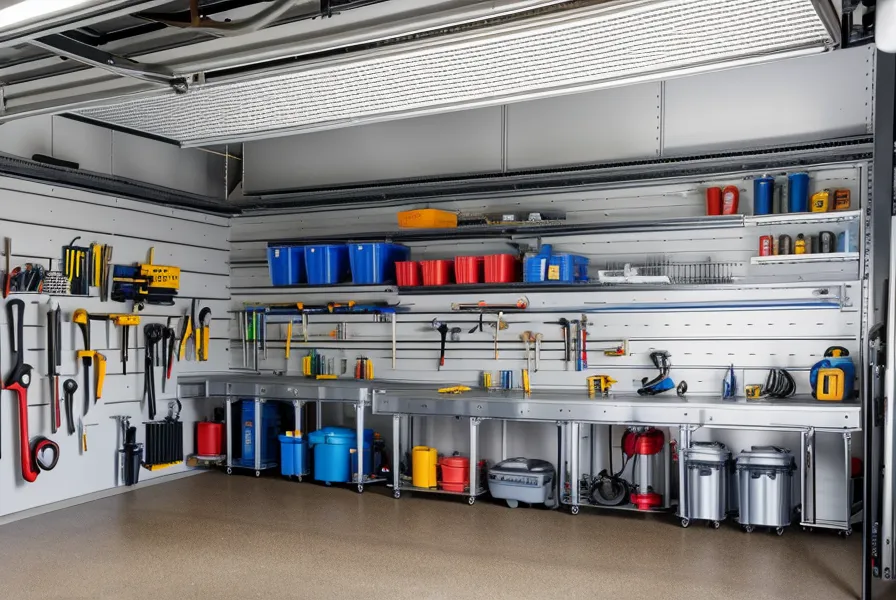
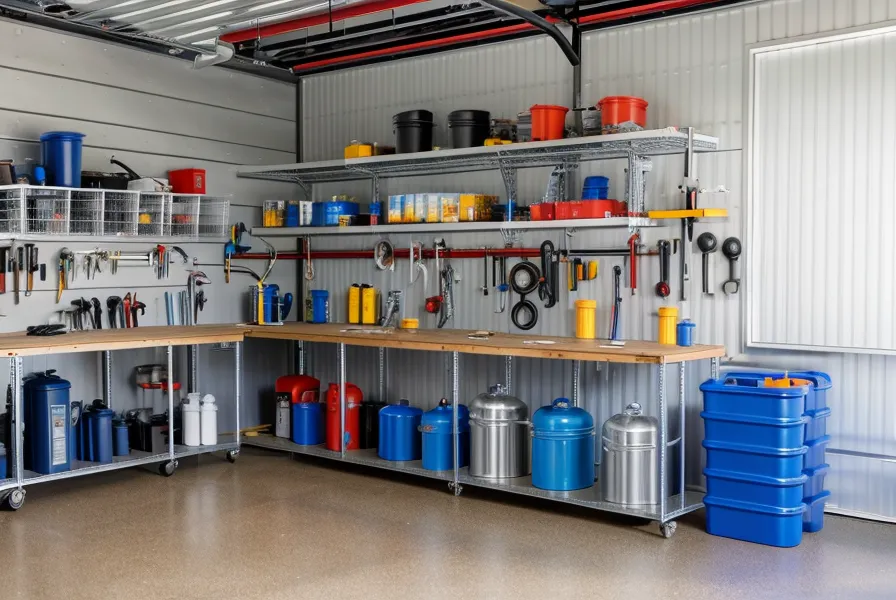
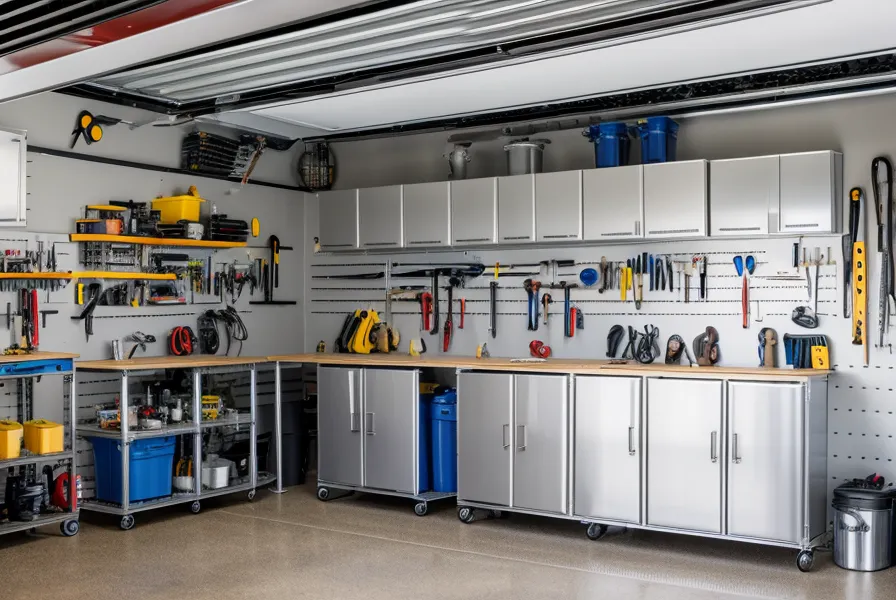
Storage-capacity planning really just comes down to deciding how much weight and floor space you're willing to give up before an outage even starts, and the SmartWaterBox wins that argument for most suburban garages — it holds a serious volume without asking for much babysitting. Along the left wall of my own garage, past the pegboard where I keep spare cartridges, hose fittings, and a couple of hand pumps, the labeled containers stack up almost to shoulder height, and the SmartWaterBox sits at the front of that row because it's the one I reach for first.
The David's Shield is a different animal: stainless steel, heavier, built more like something you'd trust to survive a fall off a workbench than something you'd casually top off every morning. During a blackout drill with my kids, I noticed that a full 2.25-gallon upper chamber sitting on an empty base makes some units genuinely top-heavy, and a stray elbow from a thirsty ten-year-old is all it takes to send one over — which is exactly the kind of family-safety detail nobody puts on a spec sheet. The David's Shield stayed planted, and so did the Aqua Tower, mostly because its vertical build keeps the weight low and centered instead of stacked up high, a footprint that matters more than people expect once floor space in a garage is already fought over by bikes and a water heater.
A Slow Filter Almost Never Means a Broken One
A slow trickle usually points to a physical problem upstream, like turbidity from a source that's picked up sediment after a water-main break, and that clogs a 0.2-micron cartridge fast. Filtration and purification solve different problems, and it's worth keeping the two straight: a gravity filter pulls particles and organisms out of water that's already reasonably clear, while chemical purification is what you reach for when you're not sure what's actually dissolved in it. Running a rough pre-filter first — even an old t-shirt stretched over the opening — catches the big sediment, so an expensive cartridge isn't getting scrubbed every couple of days.
Seven weeks into treating my garage as a year-round testing setup, the families who came through an outage fine were consistently the ones who'd already rotated their gear before they needed it, not the ones scrambling over expiration dates under pressure. Chemical treatments like purification tablets or drops have their own shelf-life clock running whether the package is opened or not, and containers need an actual sanitizing routine between fills, not just a rinse — both are easy to let slide until the one week you actually need them handled right. For a simpler backup covering one person rather than a whole family, the Dark Reset is a reasonable budget option, though the real tradeoffs are laid out in Dark Reset vs Traditional Purification Tablets: A Real-World Comparison.
Final Thoughts from the Garage
None of this is about becoming a survivalist — it's closer to building redundancy into a home network, where you plan for a piece of hardware failing before it actually fails. For most families, the SmartWaterBox covers the garage well on its own, and if you want something built to take a hit while the power's out, the David's Shield is the one I'd trust for that specific job.
The moment that actually got me serious wasn't the outage itself — it was standing over a camp stove a few days later, cooking pasta from supplies I'd already stocked, and realizing halfway through the pot that water hadn't crossed my mind once while I was busy congratulating myself on the food situation. Bulk storage like the SmartWaterBox handles the garage; a portable filter earns its keep in a car or a bag for anyone who might not be home when the water goes out, and the two aren't really competing so much as covering different situations. If floor space is tight, my Aqua Tower Setup Guide covers some of the vertical options in more detail. The one thing worth taking from all of this: figure out the real daily number for your own household before buying anything, because every other decision — filter, storage, backup — gets sized off that number, and guessing it wrong is what actually costs a family during an outage.