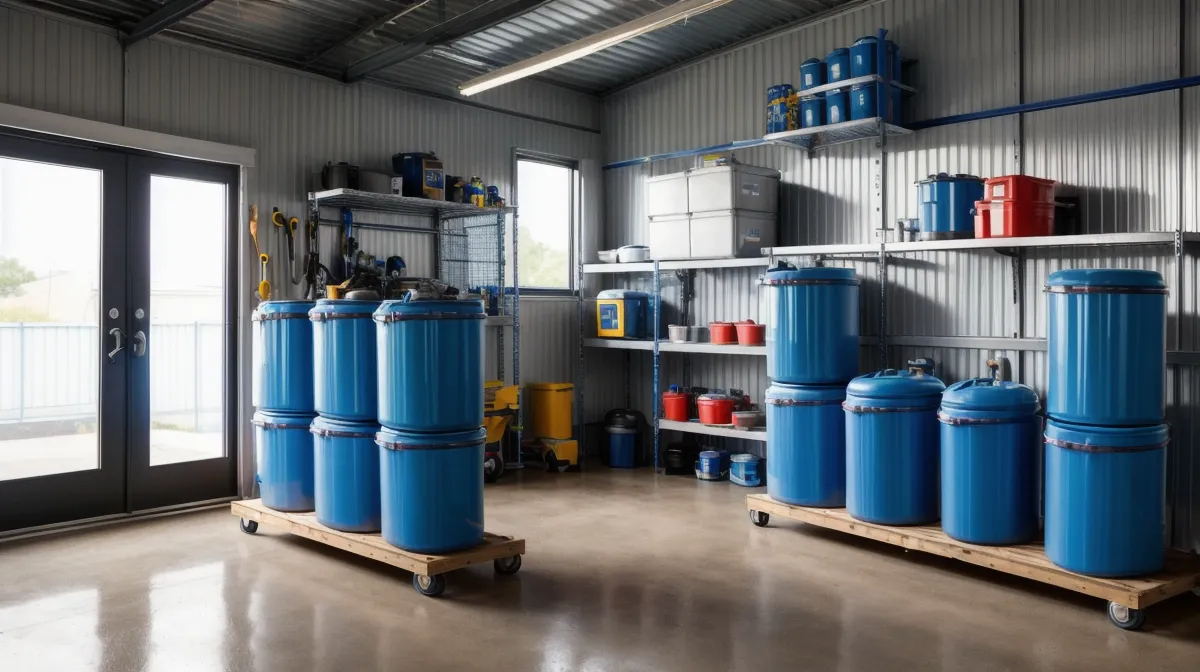
It was late last October, one of those humid Houston nights where the air feels like a damp wool blanket, when I found the film. I was reorganizing some shelving in the garage, moving a stack of blue seven-gallon jugs I’d filled after the Beryl mess, and I caught a glimpse of something green through the translucent plastic. When I cracked the lid, the smell didn’t hit me first—it was the sight of a thin, slippery film of algae clinging to the interior walls like a science project gone wrong. I’d spent months buying the 'best' containers, yet here I was, looking at twenty gallons of water I wouldn’t even give to my lawn, let alone my family.
Working in IT support, my brain is wired for 'set it and forget it.' You configure the backup, you schedule the cron job, and you trust the automation. But water isn’t code. It’s a biological variable that reacts to heat, light, and the specific brand of swamp-air we breathe here in Texas. I realized that my static storage was a single point of failure. If the grid went down again, my 'backup' was just a garage full of expensive, heavy liquid-trash. I needed a rotation system that didn’t require a master’s degree in logistics or a three-hour Sunday commitment.
The Physics of Why Your Back Hurts
Before I could fix the biology, I had to confront the physics. Most survival guides tell you to get a 55-gallon drum, fill it up, and sleep soundly. They rarely mention that water is incredibly heavy. We are talking about a physics constant of 8.34 pounds per gallon. Do the math on a full drum, and you’re looking at over 450 pounds of dead weight that is essentially anchored to the spot where you filled it.
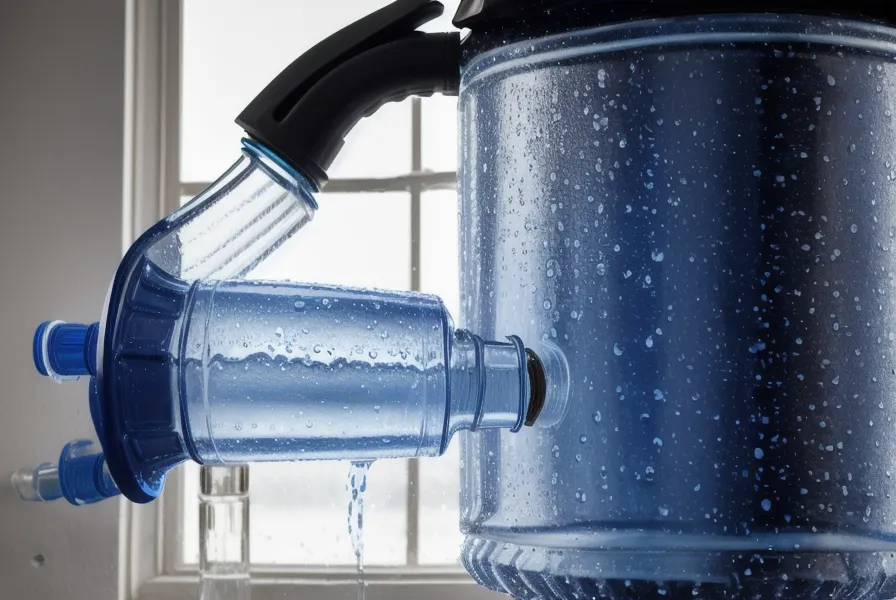
I learned this lesson the hard way in early January. I decided I wanted to move my main storage barrel just a few feet to clear space for a new workbench. I thought I could 'nudge' it. I’ll never forget the immediate strain in my lower back when I tried to nudge a full 55-gallon drum just two inches to the left. It didn’t move; I just felt something in my L5-S1 vertebrae protest with a sharp, electric twinge. It was a wake-up call: big storage is a liability if you can’t manage it. I’m not a survivalist influencer with a forklift; I’m a guy with a standard two-car garage and a spouse who already thinks my water obsession is 'a bit much.'
I eventually transitioned to a modular system. Instead of the massive 'monolith' barrels, I shifted toward stackable 5-gallon containers. They are heavy enough to be substantial but light enough that I can actually carry them to the kitchen if the taps dry up. It’s the difference between trying to move a server rack by yourself versus swapping out individual blade servers. If one footer-a116d1 gets compromised or develops a leak, you lose five gallons, not fifty-five.
The Houston Humidity Variable
The biggest challenge for us in the suburbs isn’t just storage; it’s the environment. My garage is basically a kiln from May through September. While industry standards suggest a 2 years shelf life for bottled water, that assumes it’s sitting in a climate-controlled pantry, not a 110-degree garage. High-heat environments accelerate the degradation of plastic and the growth of any microscopic 'hitchhikers' that made it into your water during the filling process.
One afternoon in mid-August, I opened a jug that had been sitting on the concrete floor for six months. The sharp, chemical smell of a plastic jug that had 'off-gassed' hit me instantly. The heat had essentially cooked the plastic, and the water tasted like a melted Lego set. That was the moment I realized that even High-density polyethylene (HDPE) containers—the ones with the '2' recycling symbol—have their limits when they’re sitting on a hot slab. I had to get the water off the floor and into a rotation that moved faster than the Texas sun could ruin it.
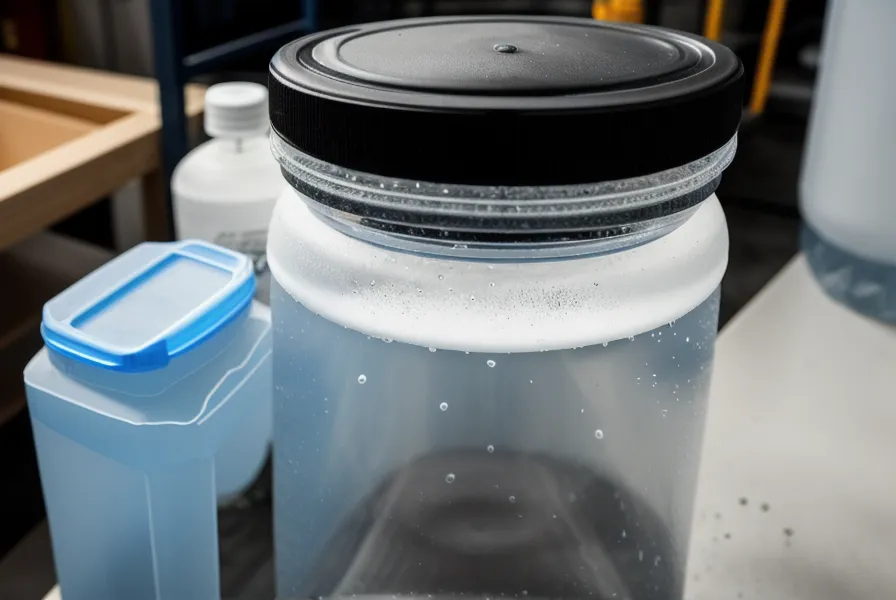
I started treating my water like a FIFO (First-In, First-Out) inventory system. I built a simple tiered rack where the newest water goes in at the top and the 'oldest' water is pulled from the bottom for use. Now, I’m not drinking this stuff daily—I’m not that crazy—but I use the oldest jugs to water the patio plants or wash the car every few months. This keeps the inventory 'fresh' without me having to think about it too hard. For more on how I set that up, you can check out my Garage Water Rotation Routine which saved my driveway from becoming a swamp every time I did a refresh.
The Chemical Fail-Safe
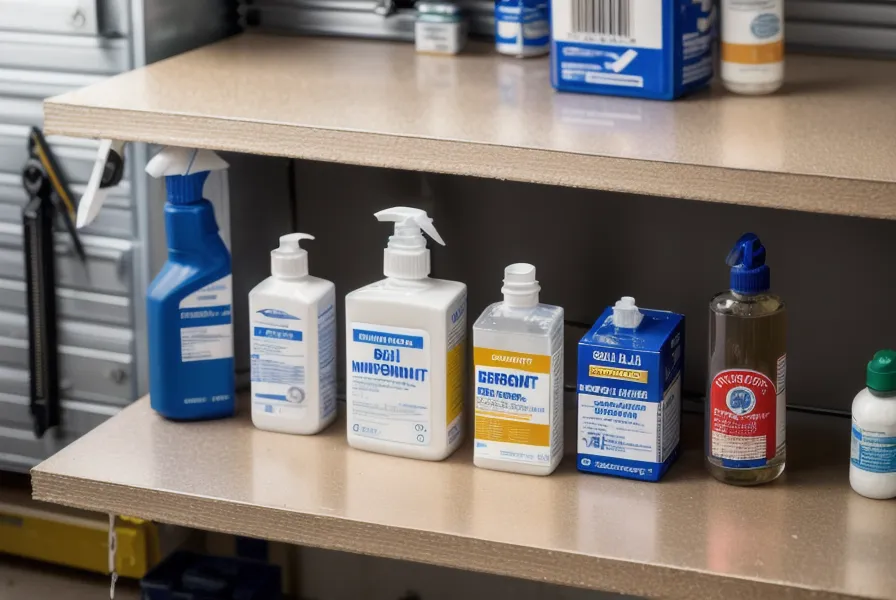
Even with a good rotation, you need a disinfectant plan. I’ve seen people online arguing about expensive silver ions and specialized drops, but I stick to the basics. The CDC bleach disinfection ratio is 8 drops of 6% unscented bleach per gallon. It’s cheap, it’s effective, and it’s what the pros use. However, there’s a catch that almost bit me: Sodium hypochlorite (bleach) begins to degrade and lose its effectiveness as a disinfectant after 6 months of storage. If you’re relying on a bottle of bleach you bought three years ago to save your water supply, you’re basically adding slightly salty water to your jugs.
My 'failover' logic now includes a rotation for the disinfectant itself. Every six months, the 'old' bleach goes into the laundry room, and a fresh bottle goes into the emergency kit. It’s a small, five-dollar maintenance task that ensures the system actually works when the 'Check Engine' light for the municipal water system comes on. I’m not a doctor or a health professional, and I have zero medical training, so I always tell my neighbors to check the labels and follow official guidelines. Always talk to your own doctor or a professional if you’re unsure about water safety, especially if you have specific health concerns.
The Modular Mindset: Point-of-Use over Mass Storage
After a year of testing every gadget that popped up in my feed, I’ve reached a conclusion that might sound like heresy in the prepping world: stocking thousands of gallons of water is often a liability. Unless you have a dedicated, climate-controlled bunker, that water is a ticking clock of maintenance, weight, and potential contamination. My focus has shifted toward modular point-of-use filtration systems that utilize the infrastructure you already have.
Think of it like this: in IT, we don’t just build bigger hard drives; we build better compression and faster ways to access the data we need. Instead of trying to store enough water for a month-long outage (which, at the FEMA minimum water requirement of 1 gallon per person per day, adds up to a massive amount of space for a family of four), I focus on having about 72 hours of 'pristine' stored water and the tools to treat 'raw' water from other sources. Your water heater, for instance, is a 40-to-50-gallon tank just sitting there. If you know how to tap it safely, it’s a better resource than five blue barrels that haven't been rotated in two years.
I spent a lot of time finding the sweet spot for suburban water storage, and it usually lands somewhere between 'enough to survive' and 'not so much that your spouse stages an intervention.' By focusing on high-quality portable filters and a manageable 30-gallon rotation, I’ve reduced the 'system latency' of my prep. I can refresh my entire supply in twenty minutes on a Saturday morning right before hurricane season begins in June.
The Lifecycle of a Water Jug
My current schedule is tied to the seasons, which helps me remember without needing a spreadsheet. In early January, I do a full inventory. I check the dates on the jugs and the bleach. Right before hurricane season kicks off, I do a 'stress test'—I use a few jugs to make sure the seals aren't leaking and that I can still comfortably lift them. By mid-August, when the heat is at its peak, I’m checking for that 'plastic' smell I mentioned earlier.
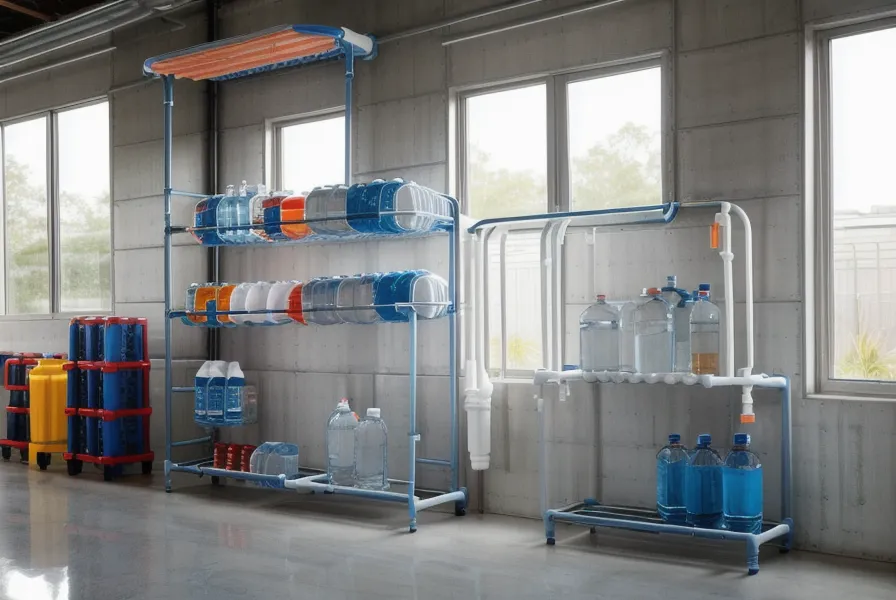
The best part? My spouse finally appreciates the system. It’s no longer a 'garage full of junk.' Because I rotate the water into our garden irrigation, the plants are thriving, and the 'emergency supply' is just a side effect of a healthy household routine. I’ve documented some of the more technical aspects of this in my write-up on suburban water storage systems testing results, where I go into the nitty-gritty of which containers actually held up to the Houston heat over a full twelve-month cycle.
At the end of the day, emergency preparedness shouldn't feel like a second job. It should feel like a well-configured router—running quietly in the background, ready to handle the traffic when things get busy, but otherwise out of sight and out of mind. If you’re just starting out, don’t buy the 55-gallon drum. Buy two 5-gallon jugs, fill them up, and set a calendar reminder to pour them on your roses in six months. It’s a small start, but it’s a system that actually works when the taps stop flowing.