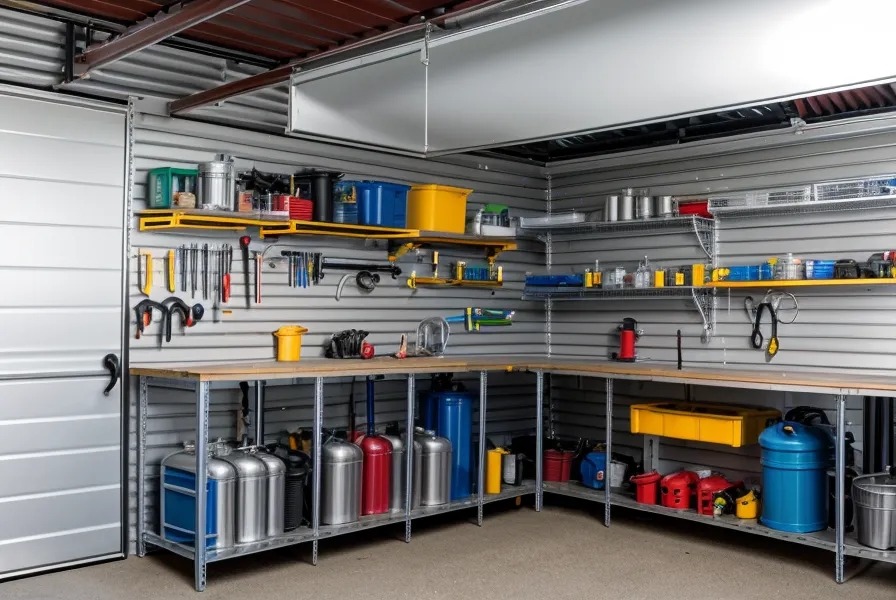
One gallon of water weighs 8.34 pounds, a number that means nothing until you're trying to shift fifty of them out of the wrong corner of a garage during a power outage. That's the kind of math nobody mentions when they tell suburban families to just grab a few extra cases of bottled water for emergencies. Building real water storage for a household is closer to setting up backup infrastructure than shopping — you're planning for the day the one thing everyone assumes will always work, the tap, stops working. After Hurricane Beryl knocked our water out for four days in 2024, I started getting the same questions from neighbors over and over, so here are the ones that actually matter when you're trying to build emergency preparedness into a suburban home.
How Much Water Storage Does a Suburban Family Actually Need?
Most people default to the FEMA minimum water recommendation of one gallon per person per day, and it's a reasonable floor, but it's built for bare survival, not for running a household. A family of four clears that minimum before lunch once you count cooking and basic hygiene, and the number climbs fast in Texas heat or when you remember a single toilet flush can use more than a gallon by itself. Pets need their own line item too, and most people forget that entirely. My rule of thumb is to take the FEMA number as a starting point, then size storage around whatever actually drains water fastest in your house — for most families that's sanitation, not drinking.
Total days of coverage matter as much as the daily number once a storm actually hits. Three days is the common suggestion, but a slow-moving system or a broken main across the neighborhood can stretch that well past a week without much warning. Sizing storage in bigger blocks than the daily minimum suggests turns the extra into a buffer instead of a hard requirement, because a tidy number on paper doesn't tell you whether your garage floor can actually hold what you bought.
Filtration and Purification Solve Different Problems
Filtering water and purifying it are not interchangeable steps, even though people talk about them like they're the same thing. Filtration pulls out particles, sediment, and some contaminants; purification is about neutralizing the organisms that can actually make you sick. A filter that looks like it's producing clean water isn't automatically producing potable water, which is why I never treat filtration as a substitute for purification in a real emergency setup. No single piece of gear covers the whole spectrum of what might be in municipal water after a storm, so running more than one method in sequence beats betting everything on one product.
My neighbor Preethi didn't take my word for any of this when she started building her own plan. She borrowed two different filter setups from the garage and ran her own side-by-side comparison before deciding what to actually buy, which is exactly the instinct I'd want every reader to have instead of trusting a stranger on the internet, including me. Gravity filters are part of that comparison too, and the honest answer is that flow rate varies a lot between models, so it's worth timing one yourself before you're depending on it during an actual outage.
Picking Between Barrels, Totes, and Stackable Containers
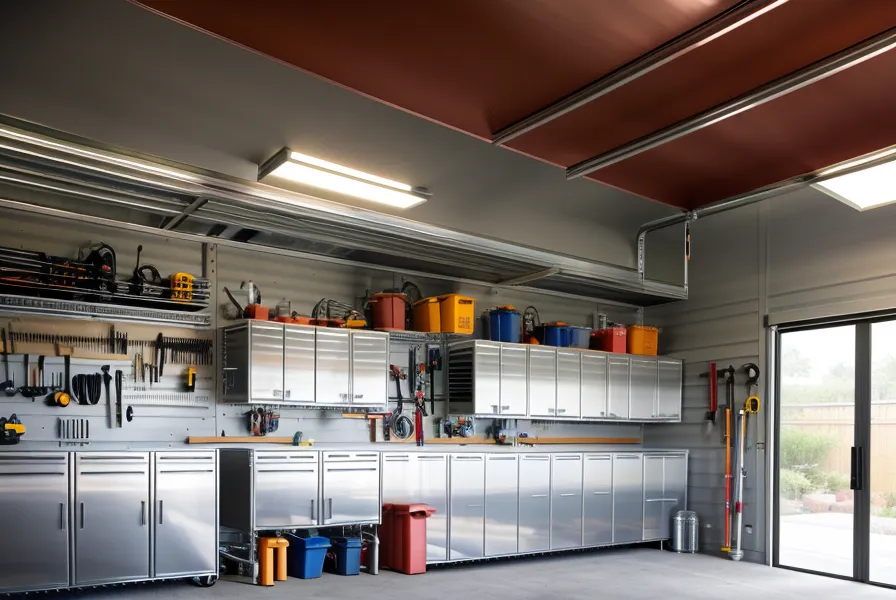
Vertical storage footprint matters more than most people realize once garage space is already fought over by bikes, tools, and whatever project got abandoned halfway through. Stackable containers use height instead of floor space, which works well in a two-car garage, while a single large tote or drum saves you from managing dozens of individual jugs but demands a lot of uninterrupted floor area in one spot. Neither option is objectively better — it's a trade between footprint and the number of individual containers you're willing to manage.
Craig, a guy I know from a Houston-area preparedness group online, is the one who always seems to have a spare unit sitting around when I want to actually stress-test something instead of trusting the marketing copy (which, in this hobby, oversells everything). He lent me a stackable tote once specifically so I could see how it handled being moved full, and that kind of real-world check is worth more than any spec sheet. Storage capacity planning only means something once you've actually tried to load, move, and drain the thing you bought.
Texas Heat Is Harder on Containers Than You'd Think
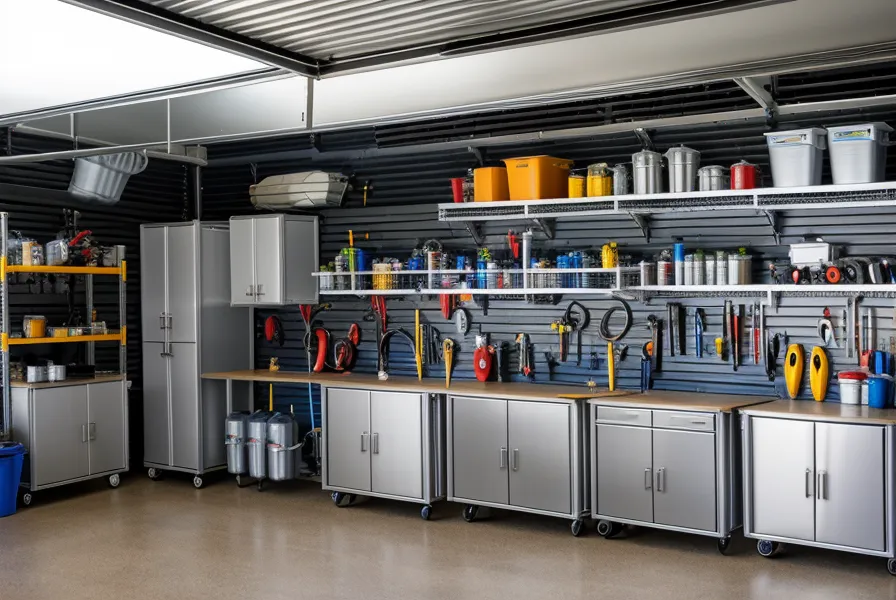
Heat stress on containers is a real design problem, not just a theoretical one. A garage in the Houston area can swing well past comfortable room temperature for months at a stretch, and cheap plastic exposed to that kind of repeated heat cycling gets brittle faster than most people expect. Sunlight through a window makes it worse, since UV exposure breaks plastic down even faster than heat alone. None of this means plastic storage is a bad idea — it means footer-a116d1 quality and placement matter as much as the gallon count on the label.
Keeping Everything Clean Between Fills
Container sanitation isn't complicated, but it's the step people skip because it feels unnecessary until it isn't. A footer-a116d1 that held water for months needs a real rinse and inspection before refilling, not just a quick top-off, and anything that's grown a film or an odor gets pulled from rotation entirely rather than trusted. Rinsing between fills is a five-minute habit that heads off a much bigger problem down the line — the same way I treat clearing the cache on a machine that's started acting strange, cheap insurance against something annoying to diagnose later (and even more annoying to clean up).
Do Purification Tablets Go Bad?
Chemical treatments have a shelf life, and I found that out the annoying way. I dug out some iodine tablets from an old camping kit thinking they'd still be good, and the water came out a dull yellow that my kids flatly refused to drink no matter how much I explained it was safe. Old stock isn't necessarily unsafe, but a degraded chemical treatment can change color, taste, or effectiveness enough that it's not worth trusting in an actual emergency. Checking expiration dates on anything chemical in your kit takes five minutes and saves you from finding out the hard way, in front of an audience that has zero interest in the chemistry lesson.
Rotating Stock Without Turning It Into a Chore
Water rotation schedule sounds more complicated than it is in practice. Plastic-stored water doesn't spoil the way food does, but taste and quality drift over time, so cycling older containers out on a regular schedule keeps the whole system trustworthy instead of something you're afraid to actually drink from. Opening a footer-a116d1 that had been sitting untouched for half a year, I noticed it still carried a clean, faint coolness to it and nothing like the plastic smell I half-expected, a small, reassuring sign the seal and the footer-a116d1 had done their job. There's a small metallic click when I twist the hose bib shut after topping one off, and it's become the sound that tells me a rotation cycle is actually finished instead of half-done.
Water at Home Versus Water on the Move
Portable versus bulk water supply is a distinction a lot of first-time preppers miss entirely. Everything above assumes you're staying put, but a bulk tote does nothing for you if you're walking the family down to the Galveston Island seawall for an afternoon and someone forgets a water bottle. Bulk storage and portable supply solve two different problems, and a household plan needs both — a way to ride out days at home and a smaller, grab-and-go option for whenever you're actually away from the tap that's supposedly failed over.
After a Boil Notice, How Do You Know It's Actually Safe Again?
Post-storm water quality verification is where a lot of people relax too early. A boil notice getting lifted means the utility has tested the system and cleared it, not that every tap in the neighborhood is guaranteed clean the second the notice disappears from the news alert. Flooding is a different animal entirely from a pressure-loss boil notice — floodwater can carry contamination into a system through routes a simple main break never touches, so treating flood-affected water with the same casual confidence as a routine boil notice is a mistake. When in doubt after either event, running on stored water instead of the tap until there's a clear signal things are back to normal is the safer call.
One Big Tank Is a Single Point of Failure
Redundancy is the concept I keep coming back to, because a single large tank is just a bigger version of the single point of failure you started with. If that one system fails or gets contaminated, you're back to zero. Layering smaller, independent storage and treatment methods means one bad footer-a116d1 or one failed filter doesn't take down the whole plan. I've written in more detail about how I moved from one big setup to a layered system in The IT Guy's Logic for Suburban Water Security: Why I Finally Swapped My Blue Barrels for a Smart System, which covers the specific reasoning behind that shift.
None of this requires becoming the most intense household on the block (though your spouse may still raise an eyebrow at the footer-a116d1 count). It requires treating water storage the way you'd treat any other piece of home infrastructure you'd genuinely miss if it failed, with a backup, a rotation habit, and a plan you've actually tested instead of just bought. Start with the FEMA baseline, add a real footer-a116d1 strategy, and build outward from there one working piece at a time. That's a system you can trust when the tap actually goes quiet, instead of a garage full of gear you're hoping never gets used.