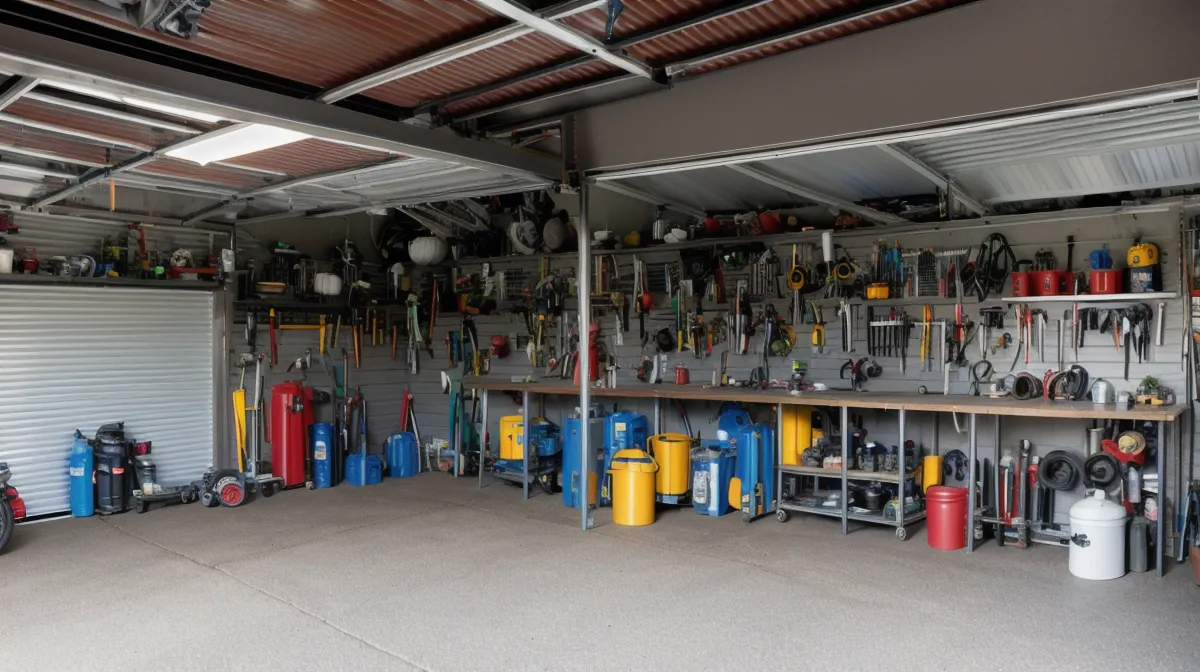
One Saturday morning in mid-spring, I stood in my humid garage staring at a spreading puddle on the slab. The bottom cardboard tray of a 24-pack had collapsed under the weight of four cases stacked above it, cracking three bottles and dumping two gallons directly across my tool cart wheels.
It was messy, it smelled like stale plastic, and it perfectly summarized my frustration. A quick heads-up before we dig into the numbers: this site uses affiliate links. If you buy something through them, I earn a commission at no extra cost to you. I only talk about hardware and backup setups I have physically tested and wrestled with in my garage. I am also an IT support specialist, not a licensed civil engineer or medical professional—always consult local health authorities regarding potable water safety standards in your county.
After Hurricane Beryl cut municipal water to my suburban street for four long days back in 2024, my knee-jerk reaction was standard suburban panic: buy pallets of plastic. But over the months from late winter through early autumn, as I logged every gallon and calculated the physical wear-and-tear on my space, I realized the math behind bottled water makes very little sense for extended readiness. That realization led me to examine alternative generation methods like the Water Freedom System, and the practical differences are eye-opening.
The Hidden Logistics Burden of Bottled Water
When you start calculating what an actual household emergency water supply looks like, the numbers snowball fast. FEMA and the Red Cross recommend storing a minimum of 1 gallon of water per person per day, targeting at least a two-week reserve for basic survival. In a four-person household like mine, that means having 56 gallons sitting ready at all times.
Now take a standard grocery store 24-pack of 16.9 fl oz bottles. Running the volume calculation (24 bottles multiplied by 16.9 fluid ounces divided by 128 ounces per gallon) gives you exactly 3.17 gallons per case. To satisfy that baseline two-week recommendation, my family needs almost 18 entire cases taking up real estate in our home.
Here is where physical reality collides with suburban garage living:
- Dead weight: Fresh water weighs 8.34 pounds per gallon. That basic 56-gallon reserve translates to roughly 467 pounds of dead weight sitting on your floor or warping your utility shelves.
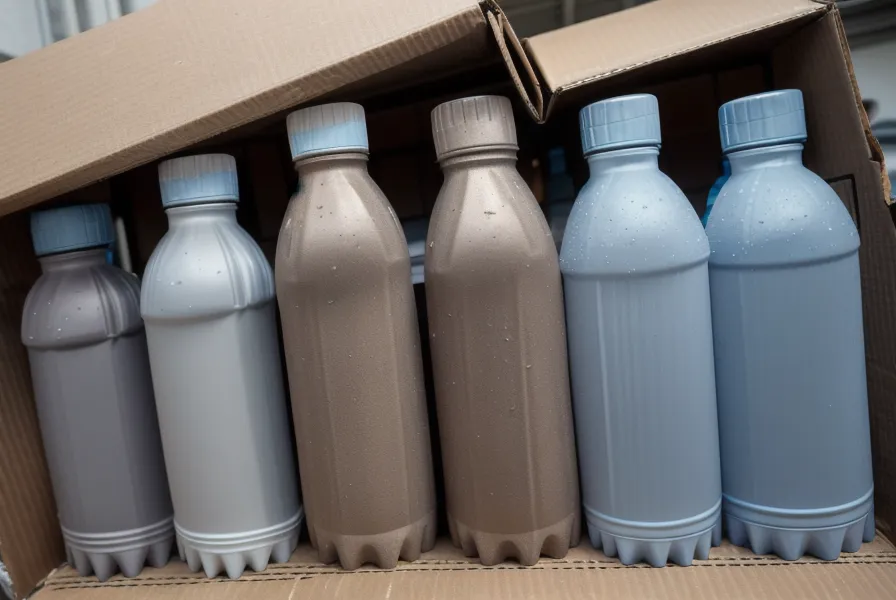
- Material breakdown: Commercial single-use bottles are made from thin polyethylene terephthalate (PET). In a hot southern garage, that thin polymer degrades, softens under stacking pressure, and can absorb volatile organic compounds from nearby lawnmowers or paint cans. I covered this degradation curve in my notes on Does Bottled Water Expire? How to Store Store-Bought Cases Long Term.
- Rotation friction: You cannot simply leave those bottles there for five years. You have to haul new cases from the trunk, haul old cases inside to drink, and constantly shuffle inventory. It is the IT equivalent of manually copying database backups onto thumb drives every Friday afternoon—eventually, human error catches up with you.
Bottled water appears cheap on an invoice because it shifts 100% of the logistical burden, climate control, and physical square footage directly onto your living space.
Entering the Atmospheric Blueprint: The Water Freedom System
Around mid-summer, when the garage heat reached that familiar stifling ceiling, I decided to test the opposite end of the spectrum: decentralized generation. The Water Freedom System promises a blueprint-driven method to pull drinkable water directly from the ambient humidity in the air using re-purposed dehumidification components and basic filtration.
Given our brutal summer humidity levels, the fundamental physics made sense. But approaching this with a troubleshooting mindset means separating marketing claims from mechanical reality. I previously broke down the baseline concept in my Water Freedom System Review: Can It Really Pull Water from Thin Air?, yet comparing its economics to static plastic cases reveals a completely different set of friction points.
The package itself provides digital guides and parts sourcing lists detailing how to mount condensation coils, channel runoff, and run the yield through filtration. If you enjoy weekend tinkering—measuring copper tubing, wiring an inline float switch, and mounting an enclosed collection chamber—it gives you an actionable schematic without paying industrial markups. The vendor provides instant digital access covered by a 60-day 100% money-back guarantee, though be aware that if you order their printed book companion, you will pay a minor shipping fee.
The Divergent Curves: Where the Real Cost Lives
Most preparedness guides compare these solutions using a simplistic spreadsheet: cost of books and hardware versus cost of supermarket plastic. That math is fundamentally flawed because it ignores human labor.
What I observed over months of testing is an inverted maintenance dynamic. With bottled water, the burden is front-loaded and spatial. You buy it, carry the 8.34 pounds per gallon into the garage, sacrifice shelf space, and deal with crushed boxes. Once it sits there, it requires zero intellectual effort until the rotation deadline arrives.
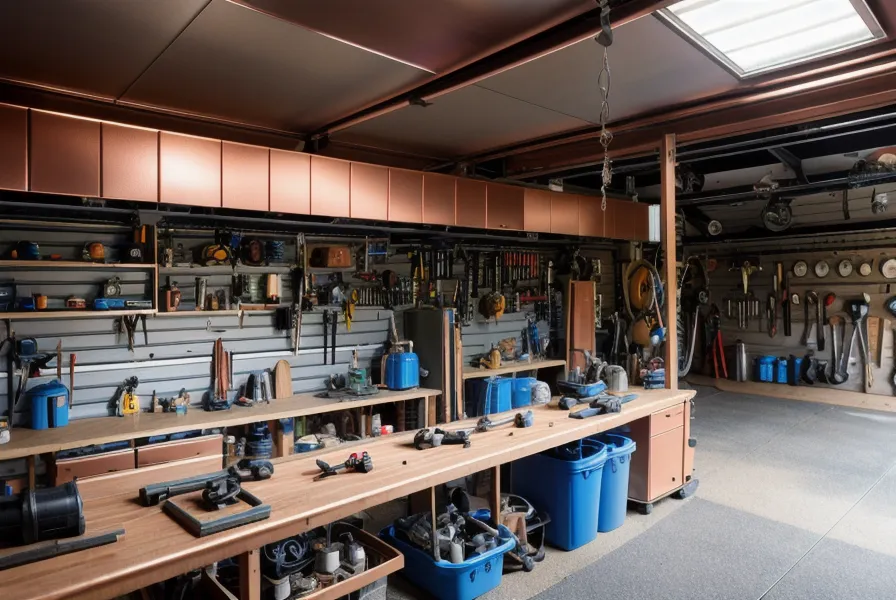
Periodic maintenance labor for the Water Freedom System increases over time, whereas purchasing bottled water shifts the entire burden of logistics and storage space to the consumer. With an active atmospheric condensation rig, your floor footprint is tiny—about the size of an upright computer tower. But you are now the plant operator. You have to sanitize the collection pan to prevent bio-film growth, flush inline charcoal cartridges, and inspect condenser coils for dust build-up every few months.
If you fail to service a server fan, the server overheats. If you fail to maintain an atmospheric extraction condenser, your water quality drops. For people who want automated reliability without building the hardware from raw hardware-store parts, turnkey commercial units like the SmartWaterBox eliminate the fabrication legwork entirely, operating more like an enterprise appliance than a weekend DIY project.
Comparing Household Water Security Options
Depending on whether you lean toward passive storage, manual DIY fabrication, or comprehensive power-and-water setups, the market separates cleanly into distinct philosophies:
- The Turnkey Heavyweight: SmartWaterBox serves as an integrated, purpose-built appliance designed for rapid household deployment without requiring plumbing fabrication. Check the vendor site for current production availability and pricing.
- The Educational Blueprint: The Water Freedom System delivers complete DIY schematics. It costs minimal up-front overhead for the documentation, but demands your time, assembly effort, and regular component hygiene. Current digital download access terms are detailed on their checkout page.
- Integrated Perimeter Security: Systems like David's Shield focus on protective operational integrity for home utilities during severe structural outages. Check their portal for updated kit configurations.
- Core Electrical Fallbacks: Off-grid generation requires power; a guide like Dark Reset tackles auxiliary power management to keep water generation and vital domestic circuits live during a total grid collapse. Check the vendor link for promotional bundles.
The Practical Verdict for Suburban Homes
By early autumn, my suburban garage setup reached an equilibrium my spouse and I could both live with. I stopped trying to store months of bottled water that was slowly degrading in our Houston heat, but I also realized that relying solely on a homebuilt condensation rig carries its own maintenance discipline.
If you have zero interest in wrenching on pipe fittings or sanitizing condensation coils, buying stacks of bottles or investing in a pre-assembled turnkey rig like SmartWaterBox is the path of least resistance. But if you want a proven off-grid failover that eliminates bulky floor storage and teaches you the mechanical mechanics of water generation from the atmosphere, picking up the Water Freedom System blueprints gives you genuine resilience at a fraction of the square footage.
| Product | Rating | |
|---|---|---|
| SmartWaterBox Top Turnkey Pick | 9.2 | Read More → |
| David's Shield | 8.6 | Read More → |
| Water Freedom System | 8.3 | Read More → |
| Dark Reset | 7.8 | Read More → |
Water Freedom System
Pros
- ✔ Eliminates hundreds of pounds of garage storage footprint
- ✔ Backed by a 60-day 100% money-back guarantee with instant digital access
- ✔ Clear step-by-step schematics suitable for basic DIY troubleshooting
- ✔ Produces potable water independently of municipal supply lines
Cons
- ○ It is a guide bundle rather than a ready-made device, requiring parts sourcing
- ○ Printed edition adds $9.95 shipping fee
- ○ Requires ongoing hands-on sanitation maintenance of condensation coils