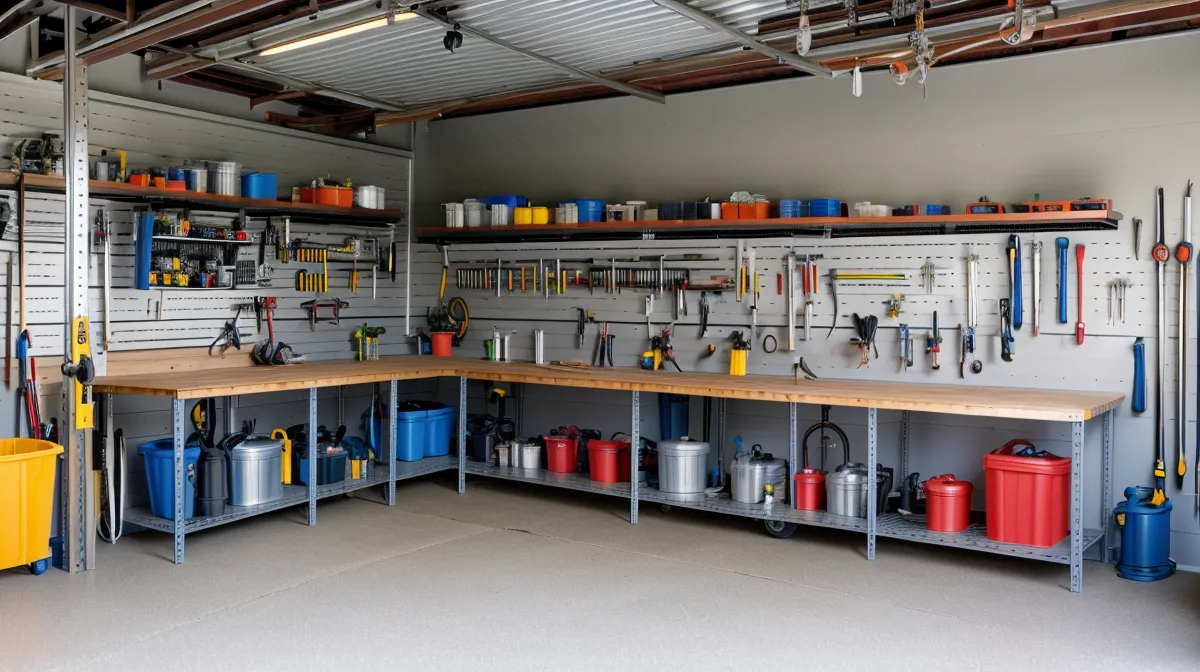
The condenser in my garage does not know or care whether the city's water main three streets over is pressurized. That disconnection is the whole appeal of running an atmospheric unit as part of a suburban emergency water plan. It's about the narrowest possible kind of off-grid water, just enough to get a household through the days city pressure is down, not a lifestyle change. Neighbors who've watched the thing run ask me some version of the same questions whenever a storm gets named: does it actually work, is the water filtration step enough to make the output safe, and is it worth the hassle next to just storing more jugs (the question that quietly makes you the neighborhood water guy, whether you signed up for that or not). Here are the honest, question-by-question answers, built from running a Water Freedom System rig through real outages instead of reading about one on a forum.
Does an Atmospheric Water Setup Actually Work During a Power Outage?
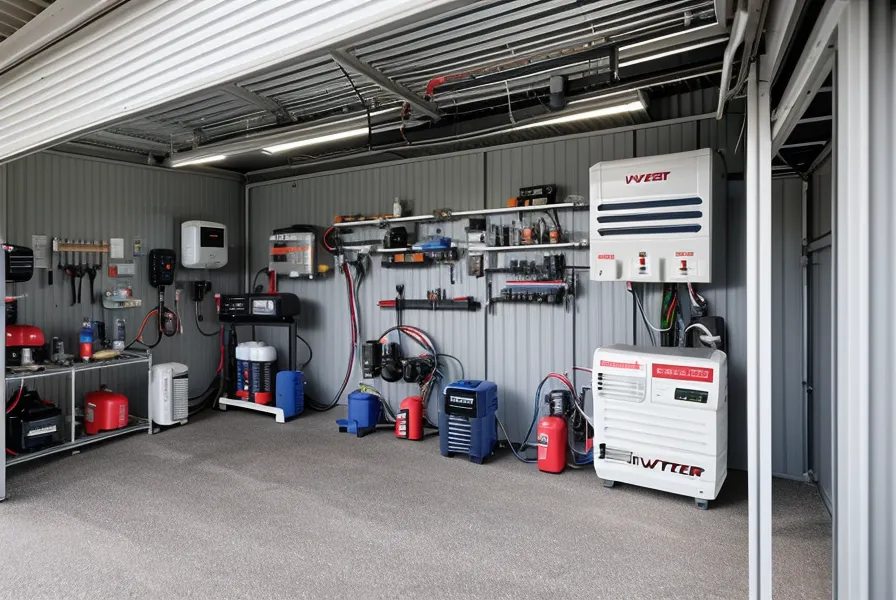
Yes, with caveats the sales copy tends to skip. An atmospheric generator is just a refrigeration compressor wrapped around a collection pan, and compressors need stable power — exactly what an outage removes first. A clean inverter generator keeps that current steady enough that the compressor doesn't trip its thermal overload, which an older open-frame generator can't always promise. The redundancy logic is the same one I use for home network gear: one upstream connection with no failover is a liability, so the condenser sits next to stored water as a second path, not a replacement for it. I've run this setup through enough separate outages now to stop trusting a single good day as proof, and the pattern holds. Given the right humidity and clean power, it produces water every time.
How Much Humidity Do You Actually Need?
Below roughly thirty percent relative humidity, the compressor runs and runs while the evaporator fins barely sweat — not a failure, just physics refusing to cooperate. Coastal Texas rarely tests that limit. The National Oceanic and Atmospheric Administration's long-term climate normals put average summer humidity here around seventy-five percent, which is also roughly what makes a July walk through George Bush Park in Katy feel like wading through a warm towel. That same stickiness is free fuel for a condenser. One thing I won't do is run the intake near standing floodwater after a storm — contaminated runoff in the air is a different problem than ordinary suburban dust, and no filter stage in this setup is rated to handle that kind of load.
Is the Collected Water Safe to Drink, or Does It Need Filtering First?
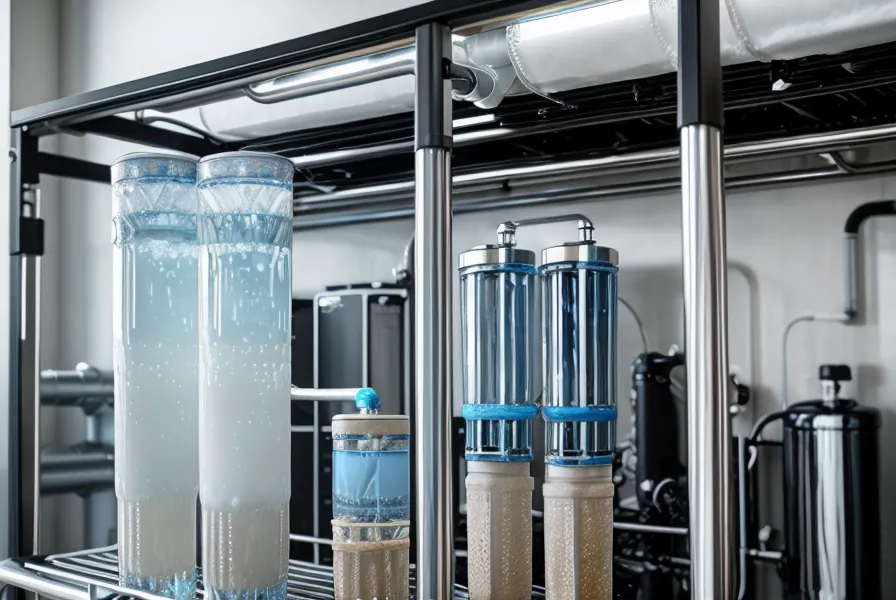
Raw condensate needs filtering before anyone drinks it, full stop. Filtration and purification solve different problems — one strains out particles and absorbs odors, the other neutralizes what's biologically alive in the water — and a setup like this needs both stages, not just one. Before I settled on carbon block plus a sub-micron stage, I tried pool-shock purification tablets dropped straight into the jug, the kind that lose potency if they sit too long in a hot garage and still need a full twenty-four hours before the water is supposedly safe to drink. That wait never fit how fast this system fills a container. These days I run a test strip through every finished batch before it goes anywhere near a drinking glass, and the first time the color landed solidly inside the safe band instead of hovering near the edge of it, I actually trusted the process instead of just hoping it worked. Different filter stages catch different slices of the contamination spectrum — coarse debris, dissolved chemicals, biological stuff — so skipping one stage to save time just means that slice gets through untouched.
The Honest Math on Daily Output
The Federal Emergency Management Agency's baseline is one gallon per person per day for drinking and basic sanitation. A family of four burns through four gallons daily just covering the essentials. My neighbor Sandra Kwan messaged me after seeing my prep notes on the neighborhood app, wanting to copy my storage spreadsheet, and when we sat down to plan her numbers she kept doubling every figure "just in case" until her household of four was planning like a household of nine. An atmospheric unit harvesting a gallon or two over several hours of generator power won't cover that kind of overestimate, or even the accurate version of it, on its own. What it's actually good for is narrowing the gap between your treatment capacity and your stored volume, so the barrels in the garage drain slower instead of being your only line.
Running the Compressor on Generator Power
My neighbor Mel Okonkwo fixes HVAC systems for a living, and he ended up helping me untangle generator cables during Hurricane Beryl before he ever saw my garage setup. He was the one who pointed out that a refrigeration compressor is picky about current the same way a water line is picky about pressure — too little and nothing moves, too much and something fails. He thinks about water pressure roughly the way I think about router throughput (he's not wrong, and he never lets me forget it). A heavy-gauge cord running from a quiet inverter generator outside into the garage keeps that current clean enough for the compressor to run without tripping. Positioning the air intake away from the generator's own exhaust matters more than most guides mention — pull exhaust fumes into the humid air you're collecting, and you've contaminated the input before any filtration stage gets a chance to work.
Fitting Atmospheric Water Into a Bigger Suburban Plan
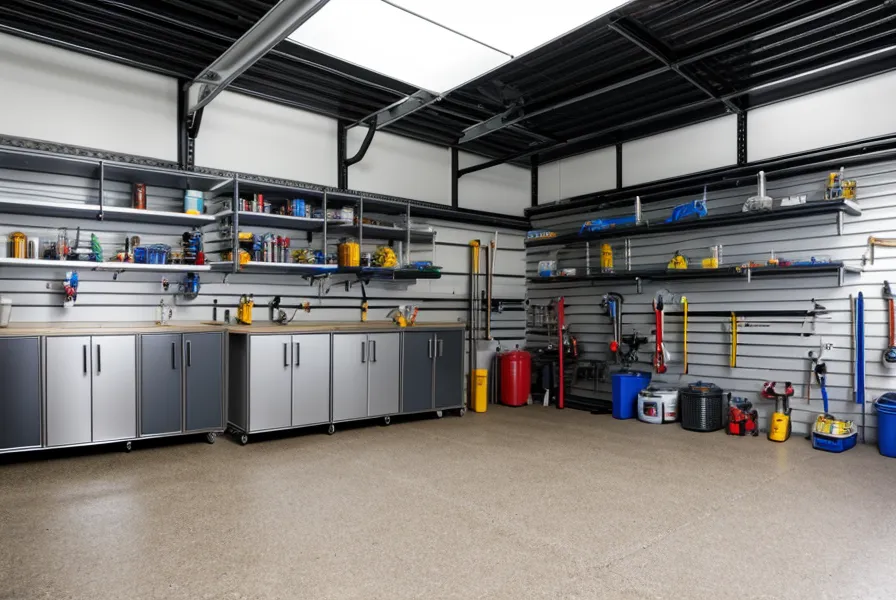
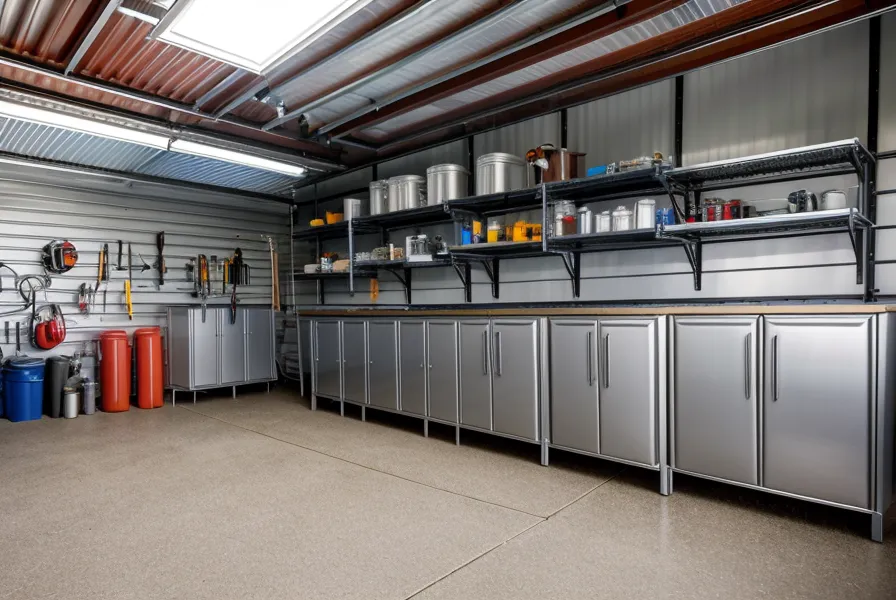
Stored water should always be the primary layer, with atmospheric generation underneath it as a slow trickle charger, not the other way around. The food-grade containers along the garage wall are stacked vertically to save floor space, which matters once you've worked out how much weight several dozen gallons puts on a slab (a detail I didn't take seriously until I actually did the math). Rotating that stored water on a schedule, sanitizing containers between fills, and checking that the plastic hasn't degraded after a brutal Texas summer in an un-air-conditioned garage all matter more than people expect — heat stress on a container is a slower, quieter failure than a leak. For moving water out of the big barrels once the power's back and you're reorganizing, I wrote up what actually works in my guide to the best emergency water siphon pumps for rotating large storage barrels. A portable purifier has its place too, mostly in a car kit or a bag by the door, but it solves a different problem than bulk household supply, and mixing up the two is how people end up under-prepared at home while over-equipped for a hike they're not taking. If you want the parts list and what the build actually cost to put together, that's in my Water Freedom System cost and setup installation notes.
The Bottom Line for an Outage Week
None of this makes our house some kind of self-sufficient fortress, and it doesn't need to. The whole approach is just layered redundancy applied to a resource most suburban households never think about until the tap runs dry: stored water as the primary layer, atmospheric extraction as a secondary source that costs nothing but generator fuel and patience, and a simple test-and-filter routine standing between any of it and a drinking glass. My spouse still thinks the garage setup is a bit much (not entirely without reason), right up until the week it isn't. That's the only pitch this system needs.